Gateways


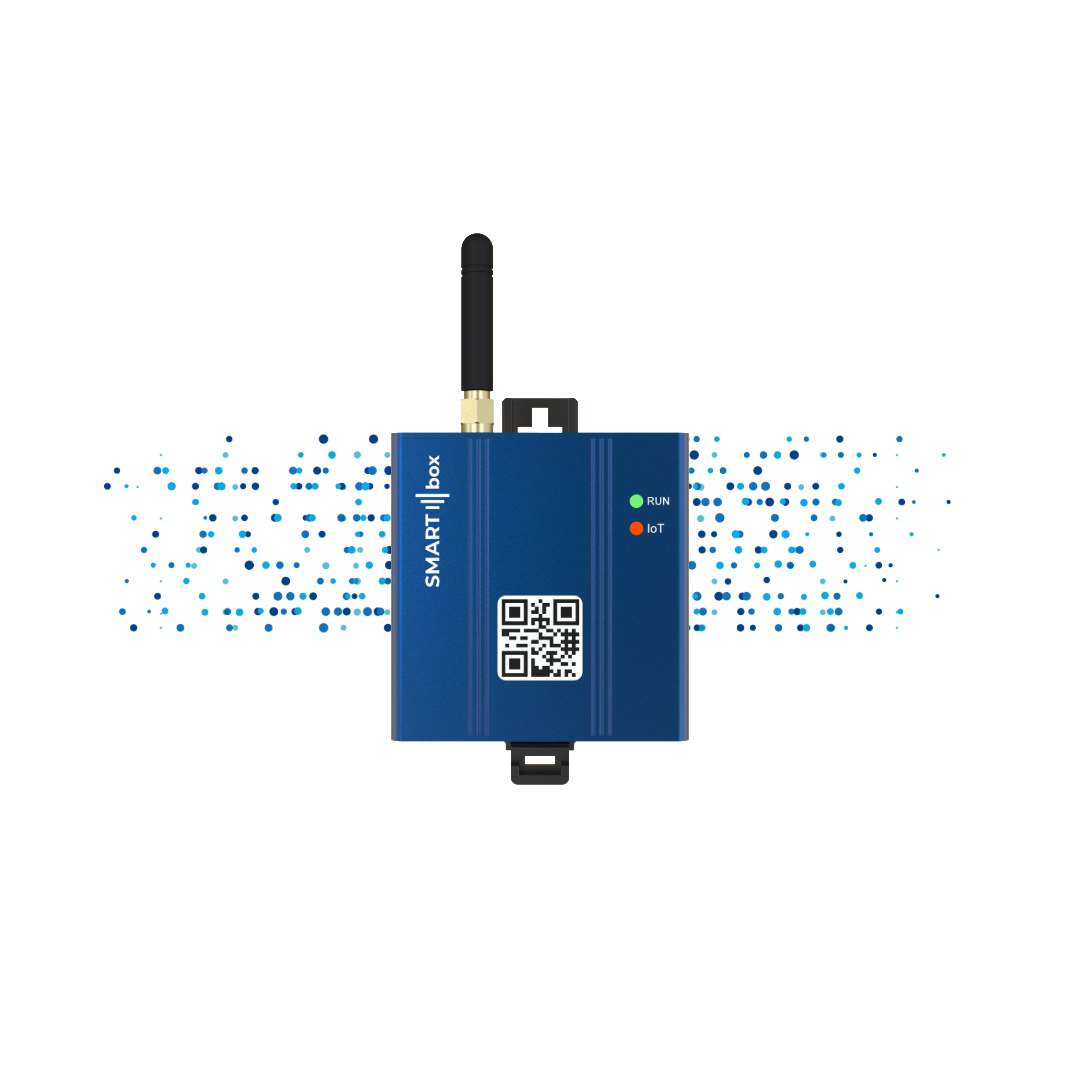
SMARTbox cubeIO
SMARTbox cubeIO ETH
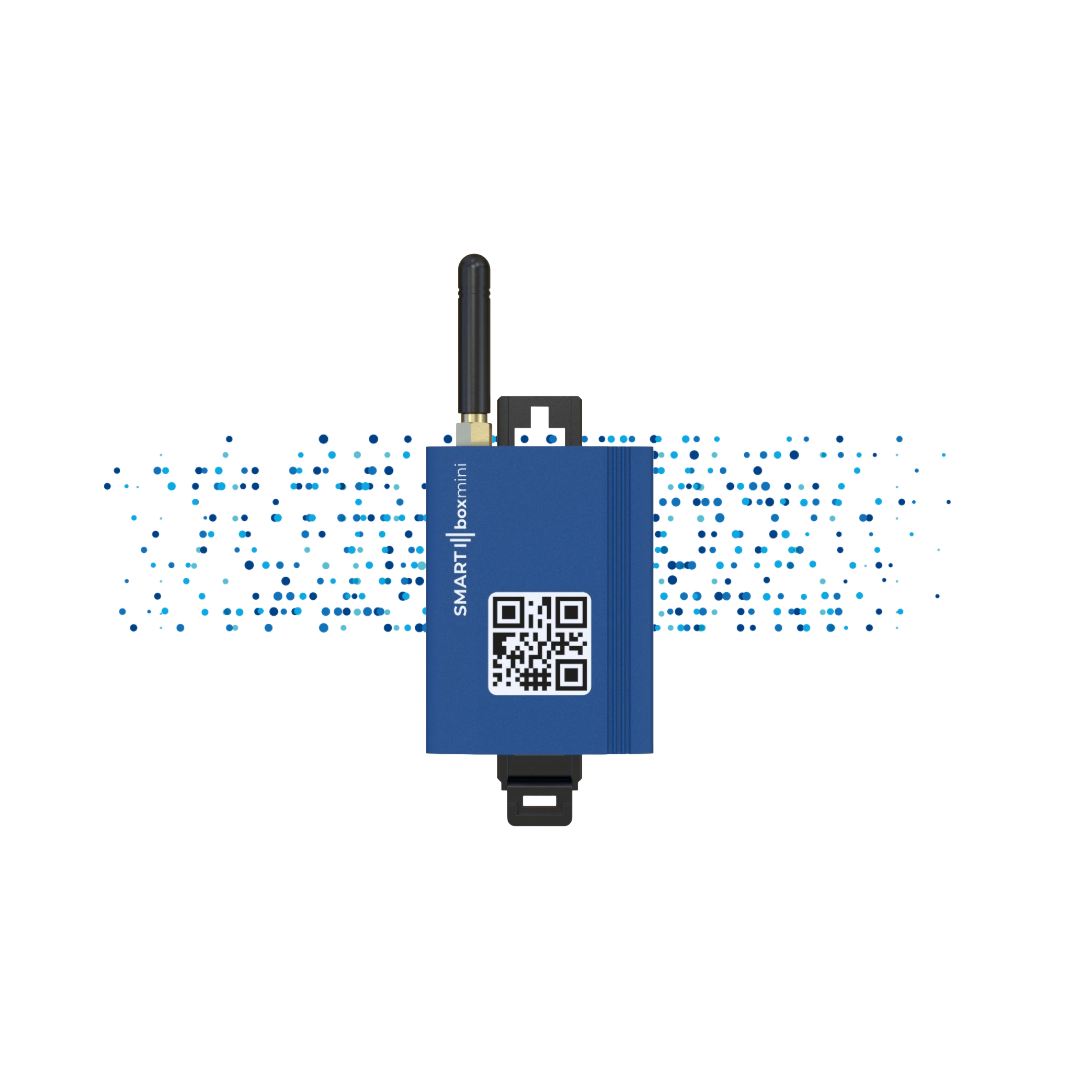
SMARTbox mini
SMARTbox mini ETH
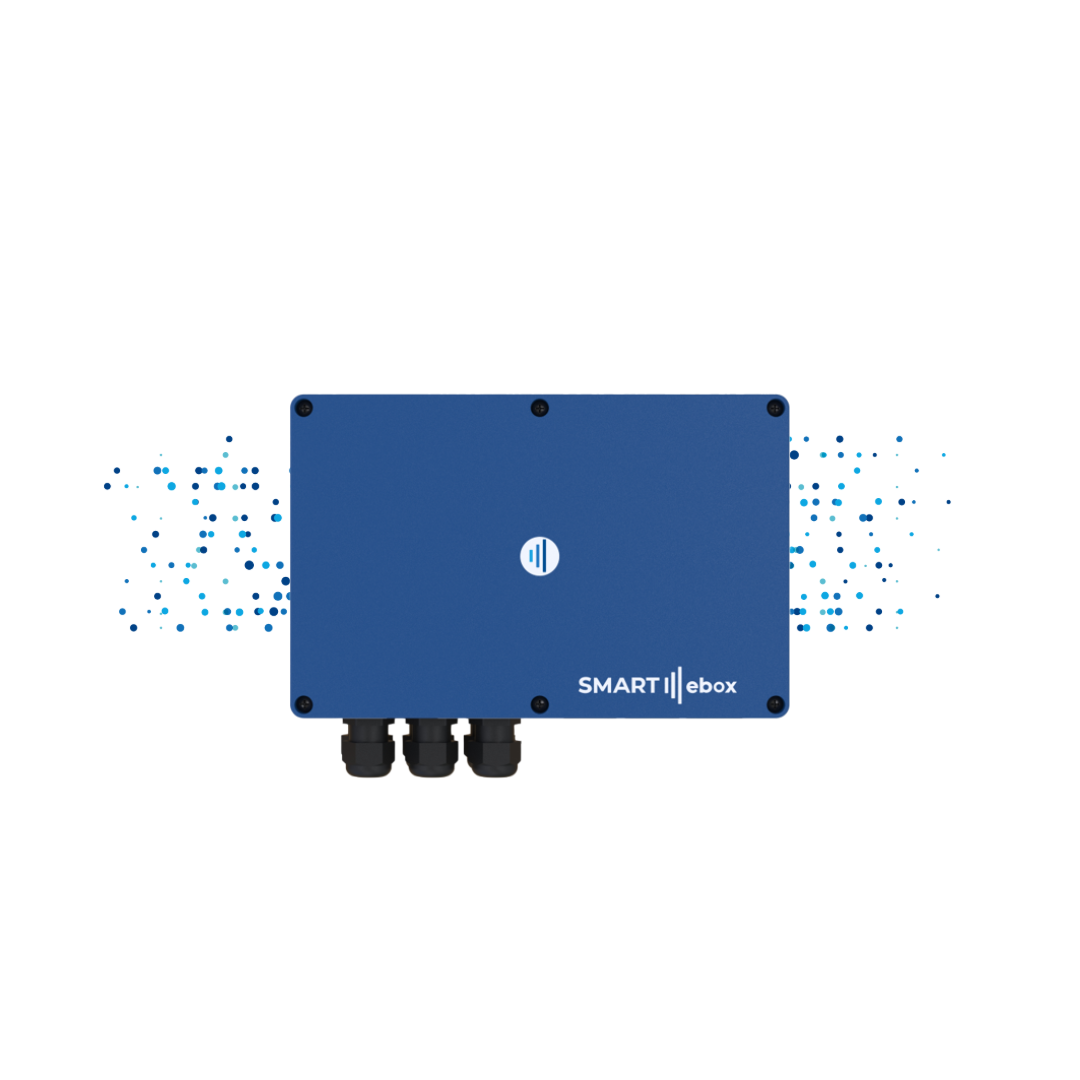
SMARTebox BATT

SMARTebox BLE
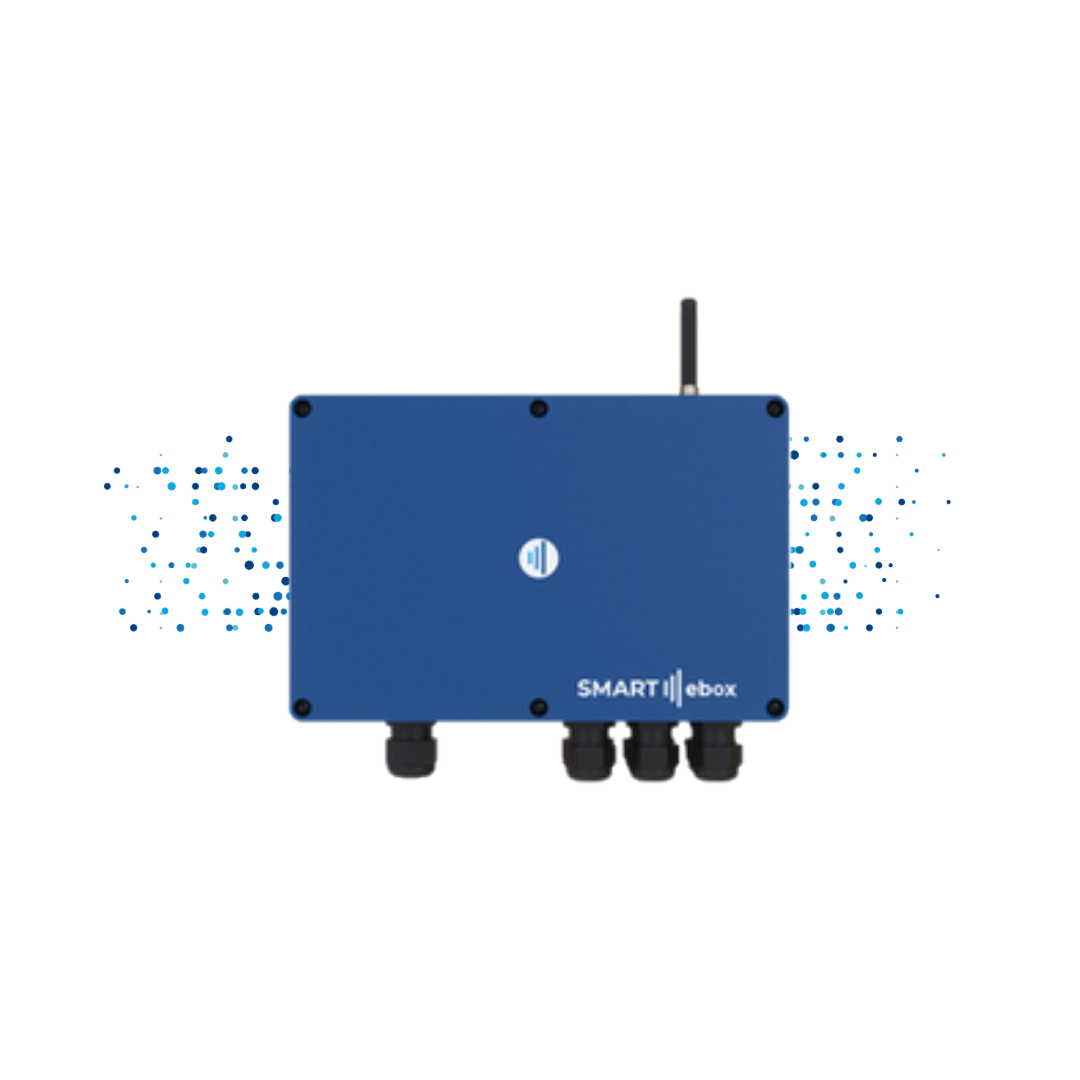
SMARTebox IO
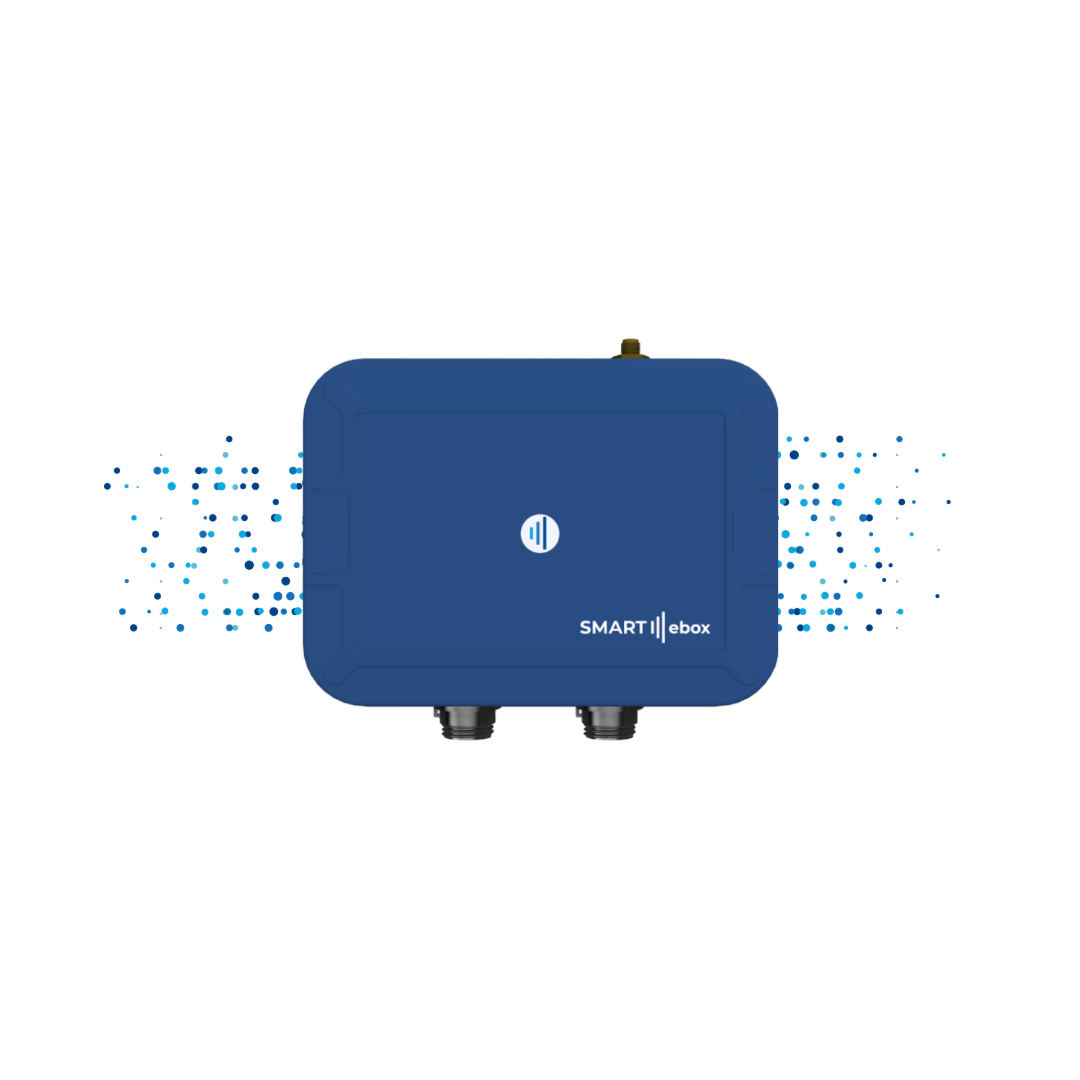
SMARTebox nanoIO
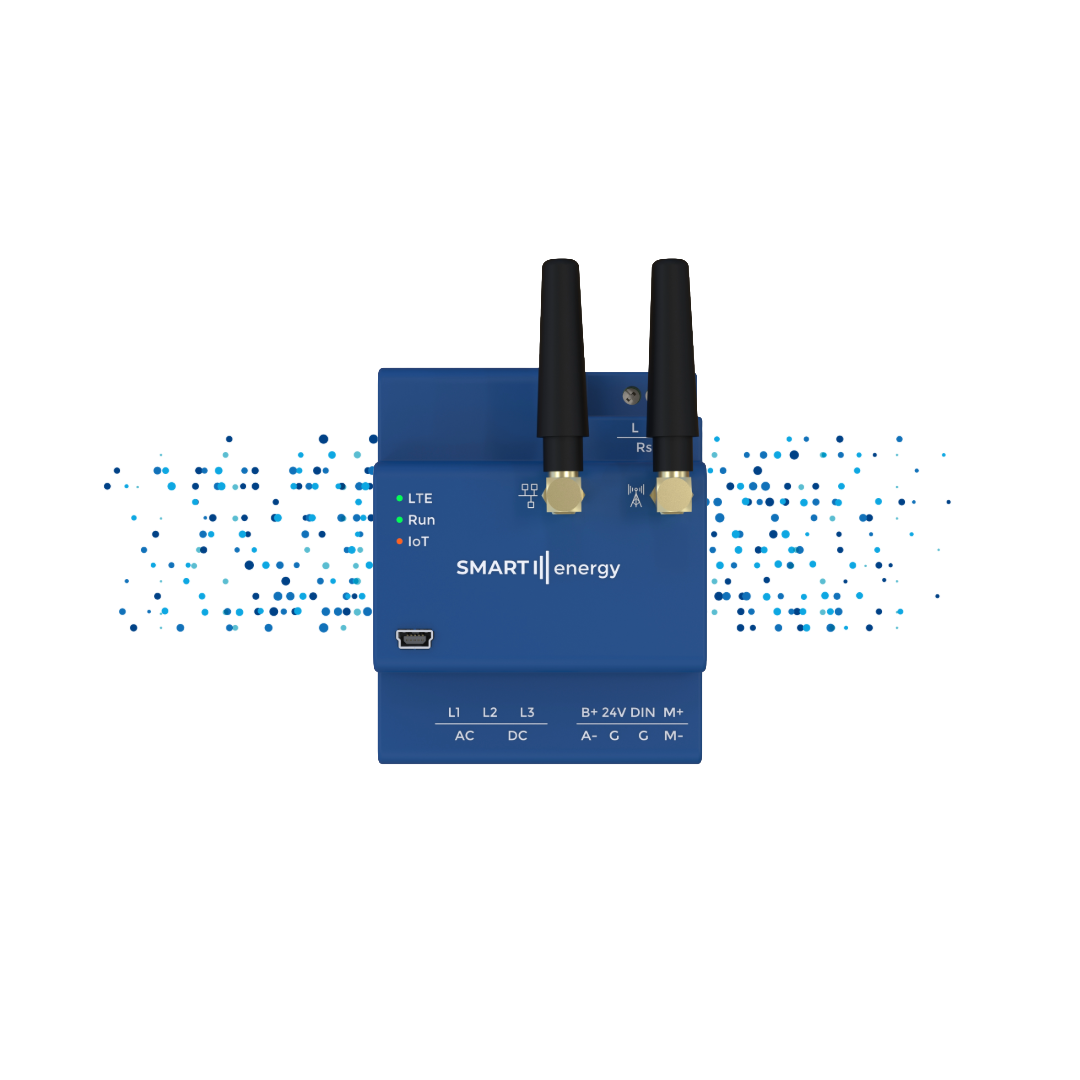
SMARTenergy gateway
IOT Onboarding & Cloud-Aktivierung
SMARTservices - direkt zum Produkt

Plug & Play - vollständig betreut oder eigenständig
Mit PSsystec-SIM oder eigener M2M-Konnektivität
Zertifizierte IoT-Cloud weltweit
Gateway, Sensor & OEM-Deployments
PSsystec IoT Gateways – Frequently Asked Questions
Concise answers to the most important questions regarding protocols, interfaces, power supply, and integration – for the effective use of PSsystec gateways in remote monitoring and energy management.
What is an IoT gateway and what role does it play in the digitalization of buildings and facilities?
IoT gateways serve as the technical bridge between physical on-site equipment and cloud-based analysis systems. They read measurement data from connected field devices—such as Modbus controllers, M-Bus meters, or analog and digital sensors—and transmit it to the cloud in encrypted form. PSsystec gateways from the SMARTbox and SMARTebox families communicate via integrated LTE-M, NB-IoT, and LTE, operating completely independently of local IT infrastructure. This makes them the preferred choice for operators of distributed properties, remote stations, and sites without their own network connection—serving as a non-invasive, plug-and-play solution even for existing installations.
Which communication protocols and standards are supported (Modbus, M-Bus, BACnet, LTE, NB-IoT, BLE)?
Depending on the device model, the PSsystec portfolio supports a wide range of established industrial and fieldbus protocols and sensor technologies. This includes Modbus RTU and Modbus TCP for connecting controllers and energy meters, M-Bus for heat, water, and gas meters, S0 and D0 interfaces for pulse meters, as well as analog (0-5V, 2-5V, 0–10 V, 4–20 mA, PT1000, NTC 10K) and digital inputs and outputs. Selected models also support Bluetooth Low Energy (BLE) for wireless sensor integration. Future-proof cellular communication to the cloud is provided via LTE-M, NB-IoT, or LTE.
Is the hardware vendor-neutral?
Yes – vendor independence is a fundamental principle and a key USP of PSsystec. Our gateways communicate via open, standardized interfaces such as Modbus RTU, Modbus TCP, M-Bus, S0, 0–10 V, and 4–20 mA, and are not tied to specific sensor or equipment manufacturers. Existing meters, sensors, and controllers can generally be connected directly, regardless of brand or age. This protects your existing investments, prevents vendor lock-in, and provides maximum flexibility when integrating systems into existing building services (MEP environments).
Can PSsystec gateways be operated without mains power?
Yes, several models in the SMARTebox family are designed for battery-powered operation, including the SMARTebox BATT and the SMARTebox nanoIO. These devices operate completely autonomously using primary cells or rechargeable batteries and are particularly well-suited for outdoor use, in pumping stations, water shafts, or at locations without a power supply. Depending on the device, stationary models are powered by 24 VDC or 110/230 VAC. SMARTebox models are also available with a UPS for uninterrupted operation during power outages. Suitable models are also available for projects requiring solar power.
How far do BLE sensors reach – and what is the range of a BLE mesh network?
Bluetooth Low Energy (BLE) sensors have a range of up to 30–50 meters under ideal conditions. In buildings with walls, metal structures, or other obstacles, the practical range is typically reduced to 15–30 meters. The SMARTenergy gateway uses a BLE mesh network for local communication. Multiple devices act as relay stations, allowing for coverage of larger areas.
What is the range of PSsystec 868 MHz sensors, and what is the range of the PSs 868 mesh network?
PSsystec 868 MHz sensors, such as the SMARTsens nodeIO, have a range of over 100 meters under ideal conditions. In buildings with walls, metal structures, or other obstacles, the practical range is typically reduced to 30–50 meters. The SMARTenergy gateway, SMARTsens energygate, and SMARTsens nodeIO use the PSs mesh radio network for local communication. Multiple devices act as relay stations, allowing them to cover larger areas with ease.
Can PSsystec devices be integrated into the local network?
Yes – the SMARTbox mini ETH and SMARTbox cubeIO ETH are specifically designed for integration into local networks (Ethernet/LAN) and allow for the polling of Modbus TCP devices within the network. Both models also feature integrated cellular connectivity via LTE-M or NB-IoT for maximum operational flexibility.
Can PSsystec devices be integrated into BACnet?
Yes, the SMARTboxcubeIO ETH and SMARTbox mini ETH support the BACnet protocol.
Direct Sales Contact