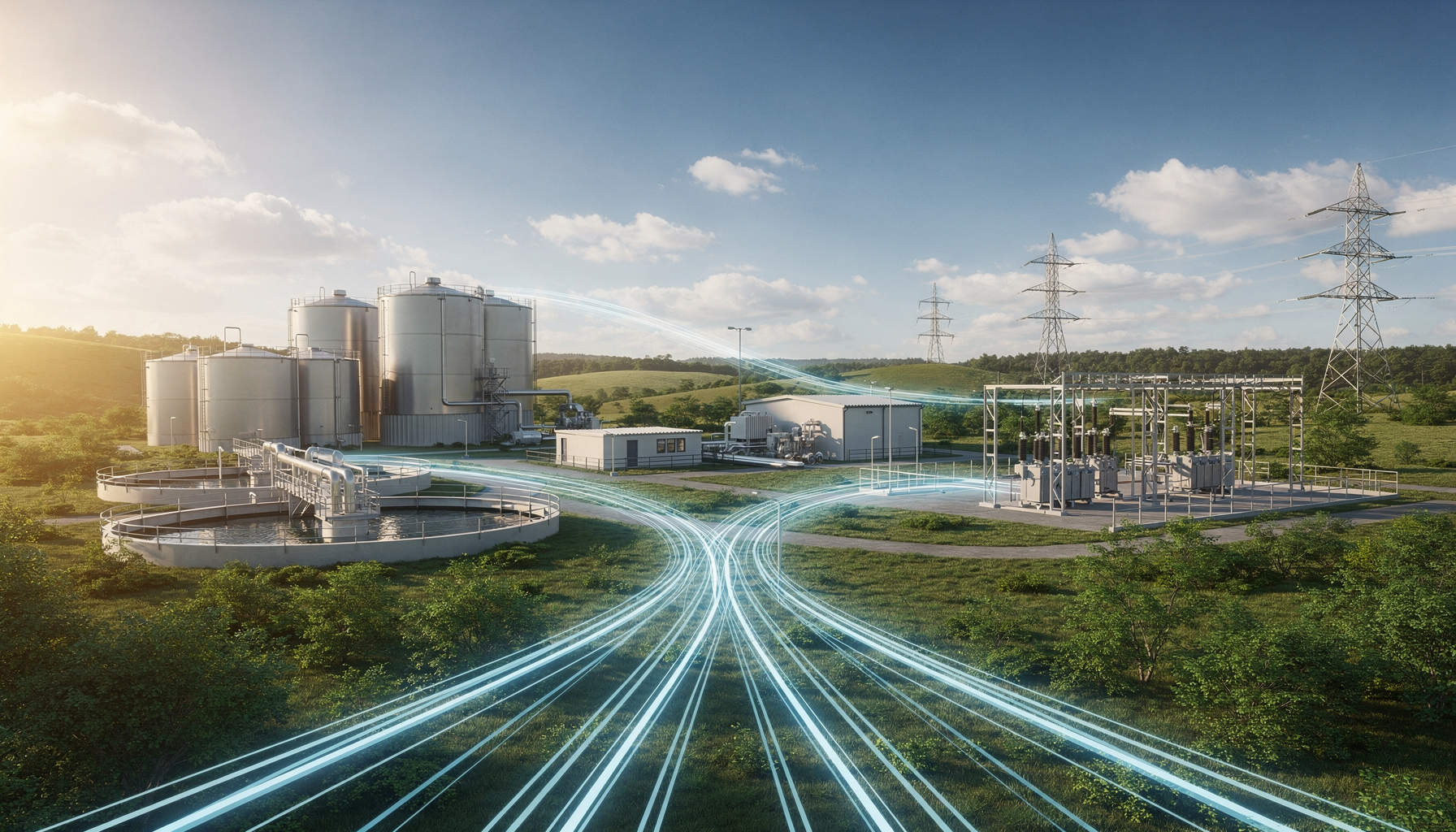
Capturing, Monitoring and Integrating Energy Data
Via cellular connectivity and without local IT infrastructure, the PSsystec portfolio captures energy consumption, load profiles and utility data — ready for immediate operation.
Data transmission takes place over certified, encrypted communication links. The captured data forms the measurement basis for energy audits, sustainability reporting and ISO 50001 certification.

50.000+
Devices in the field per year
100%
In-house development depth, service, production and development
20+
Countries where the SMARTbox is operated
Why Energy Transparency
Is No Longer Optional
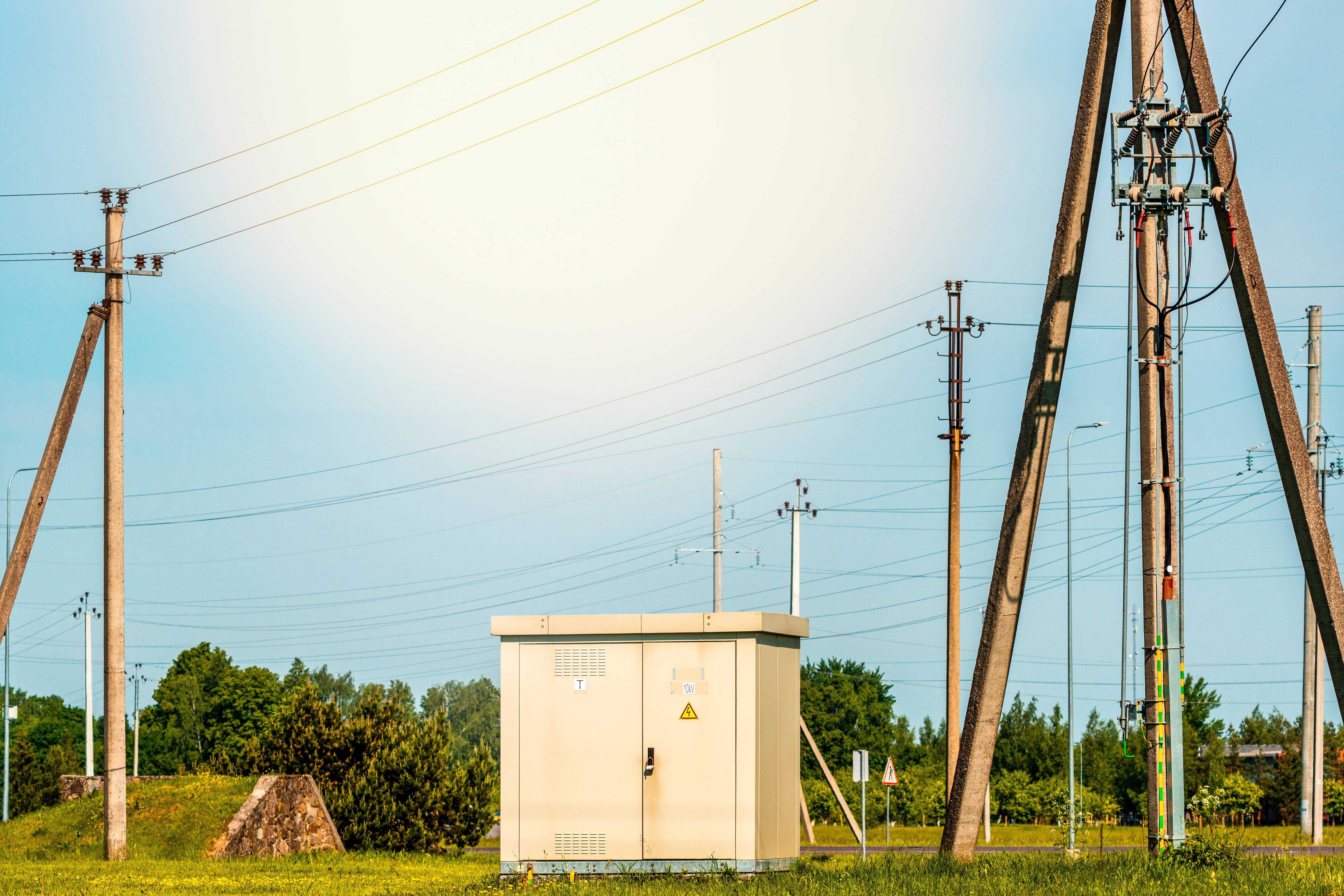

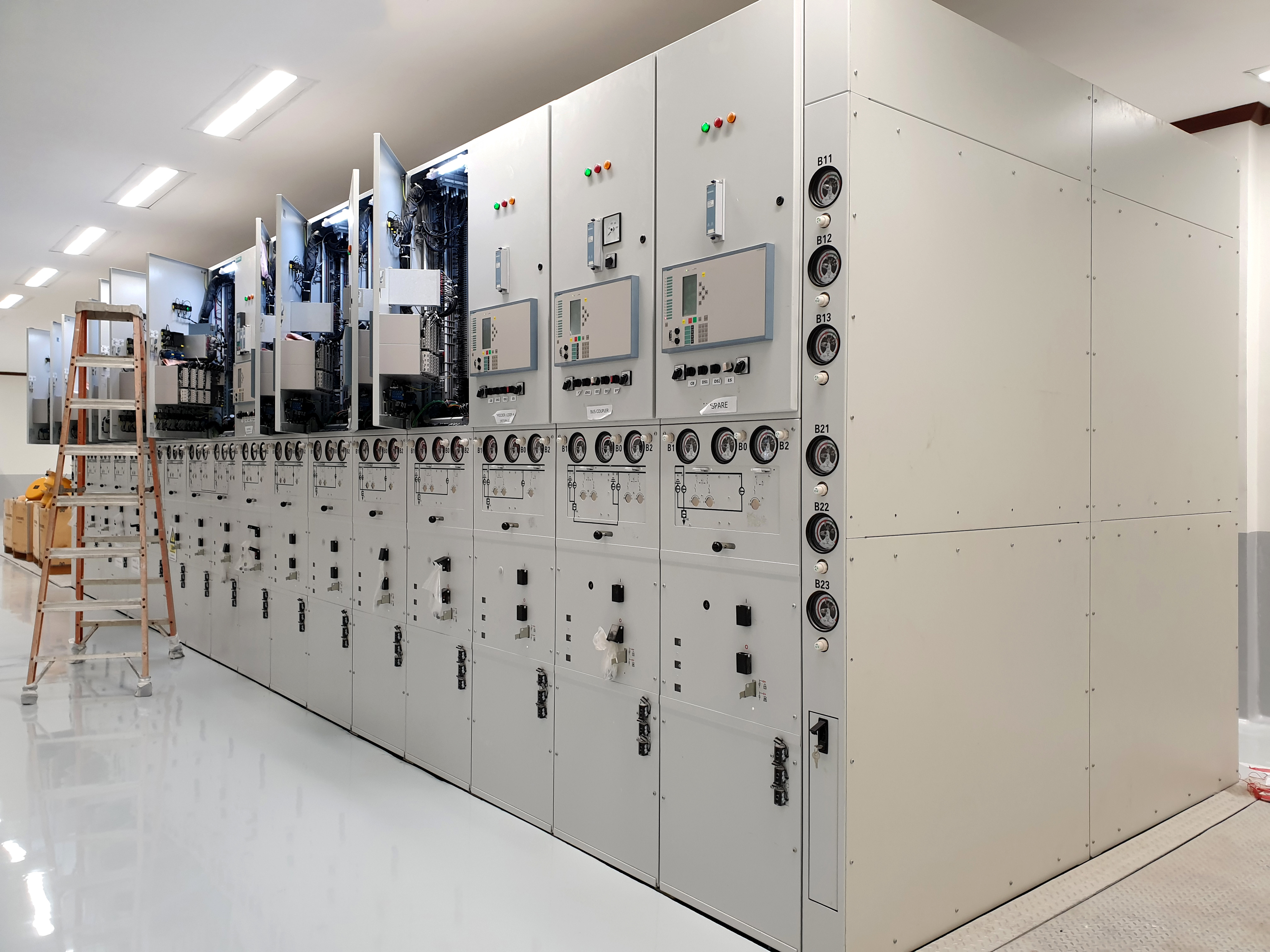
Energy Management by Industry
From Transformer Station to Branch Network
.jpeg)
AC and DC monitoring at mobile base stations – measure energy, allocate costs
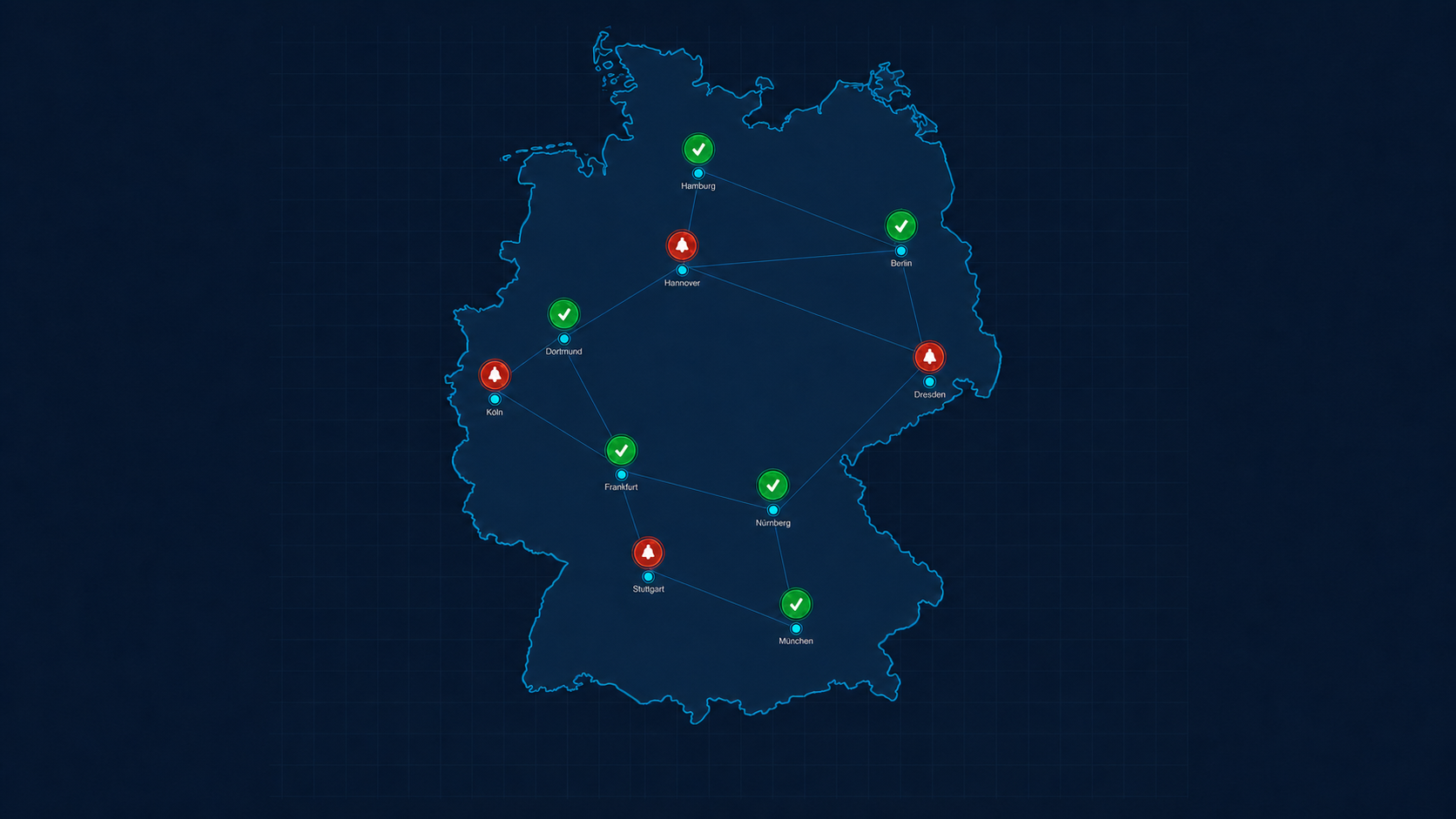
Grid disturbances and power quality – proving causes in the power grid via IoT measurement
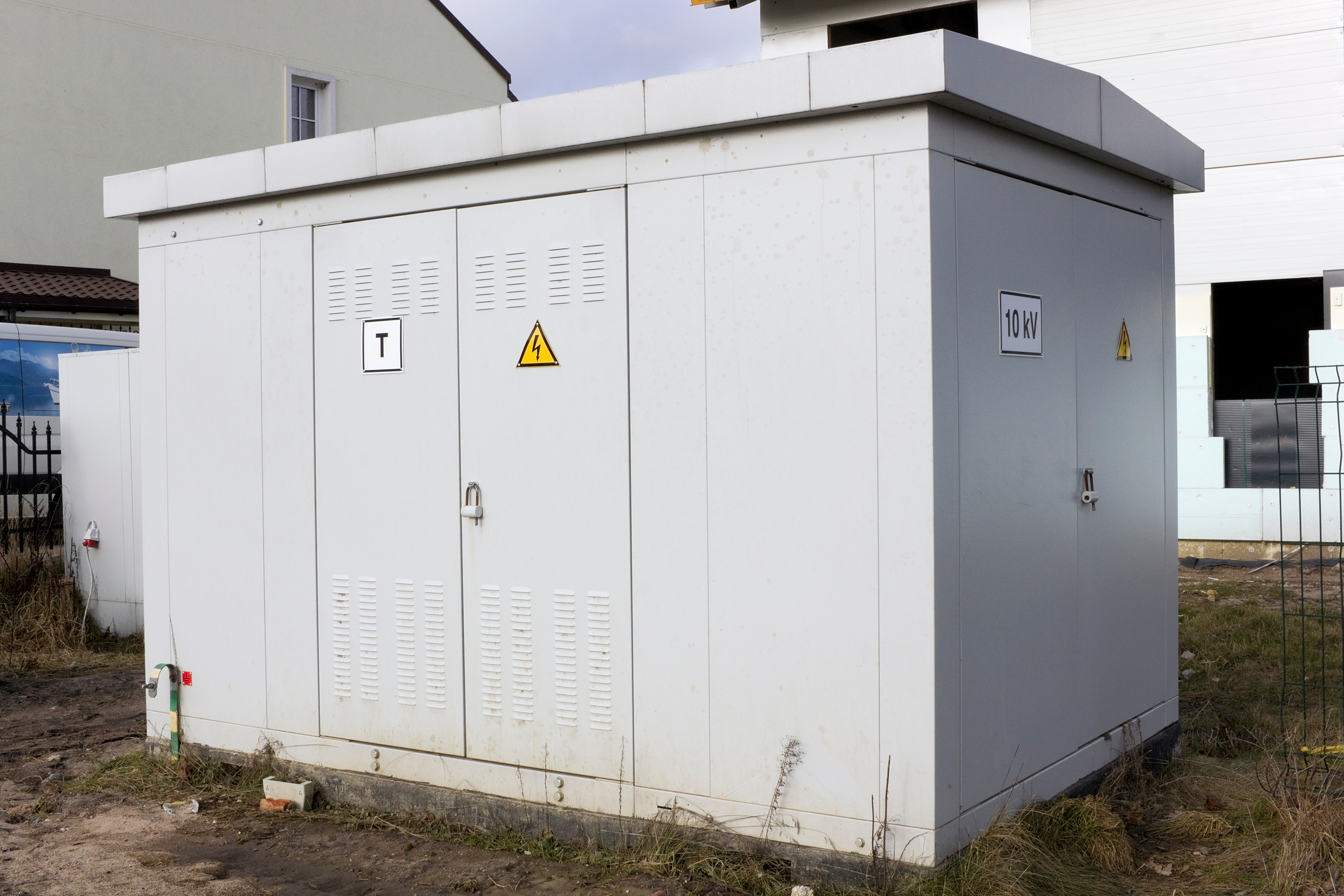
Locate short-circuit and earth-fault indicators via remote access
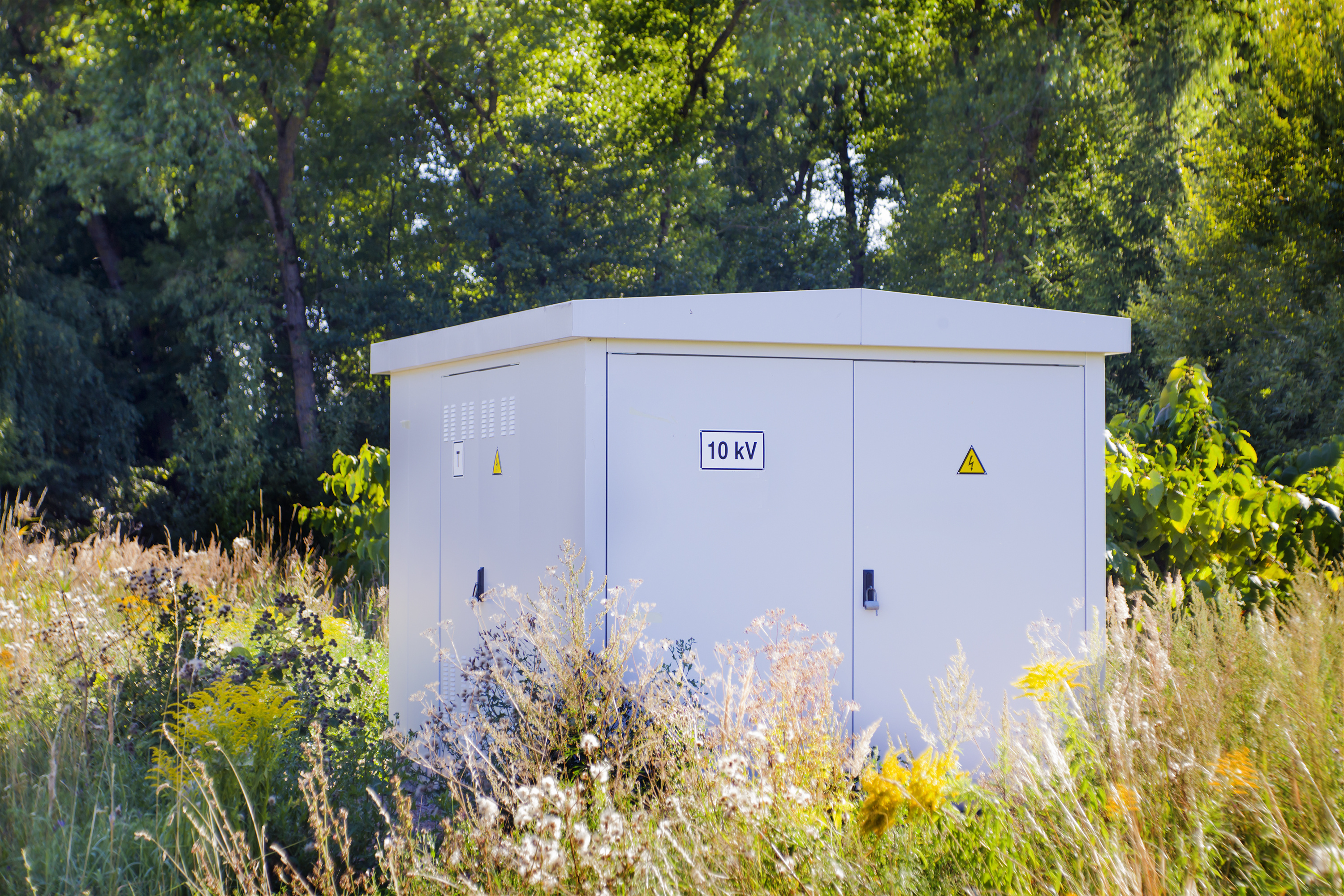
Transformer station monitoring and load profile tracking in the low-voltage grid
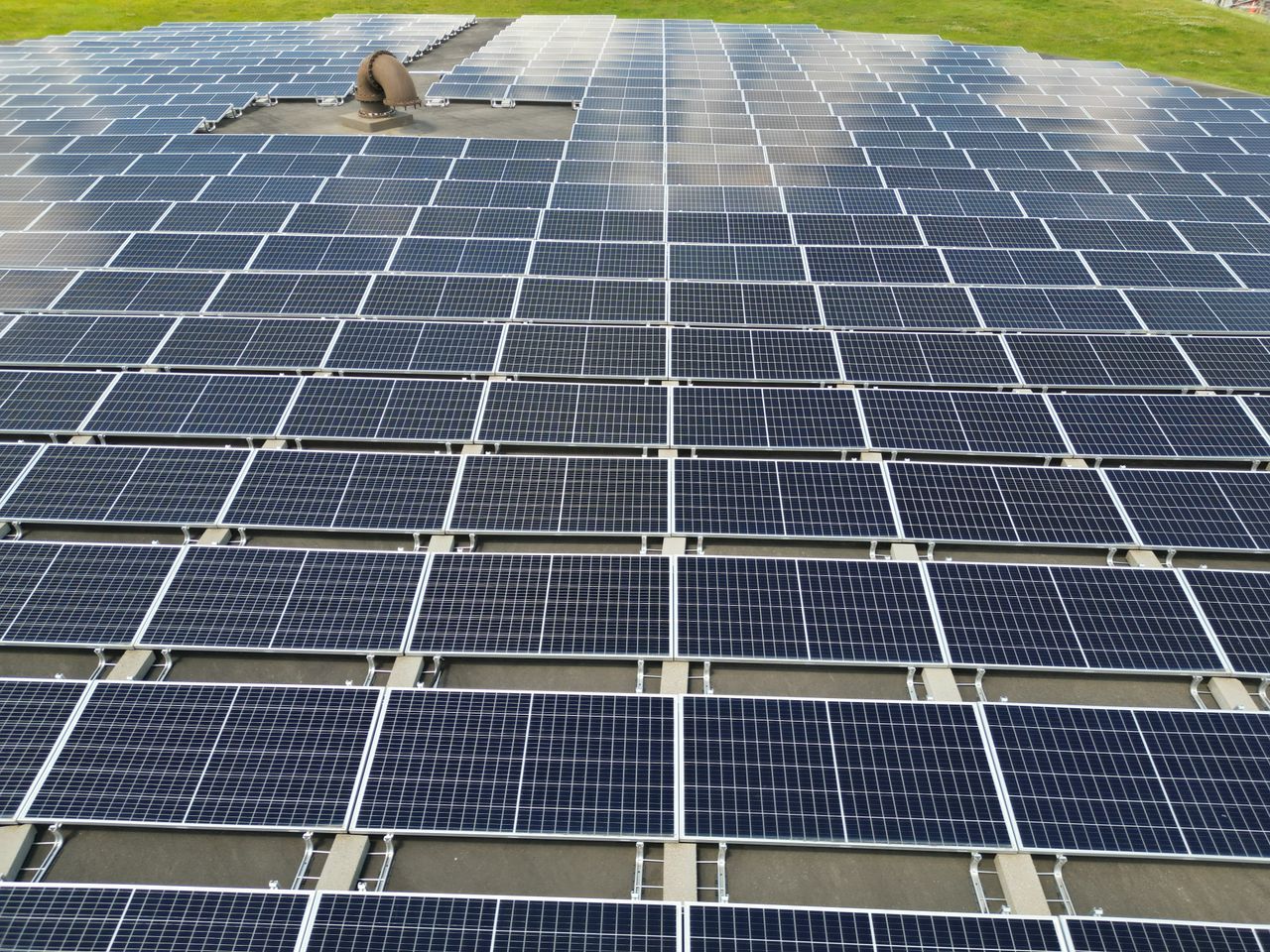
PV Inverter Monitoring

Energy management for residential properties – track consumption, reduce costs

Industrial peak shaving – actively lower peak loads and reduce demand charges

Energy monitoring for buildings and branch networks – lower energy costs, substantiate ESG reporting
Making Energy Data Actionable
PSsystec supports projects from requirements analysis through to a fully operational energy monitoring solution — standards-compliant, cellular-based and immediately deployable.
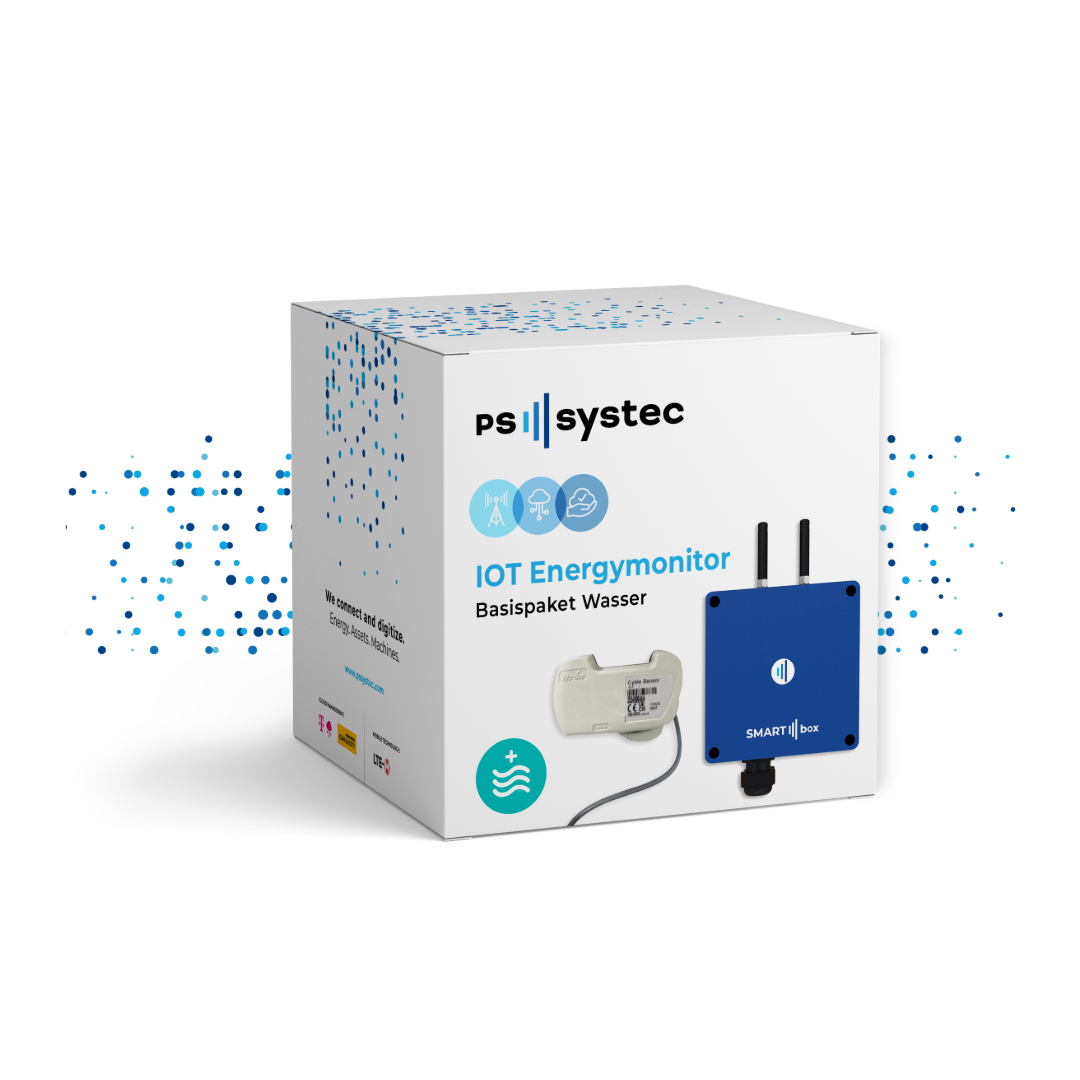
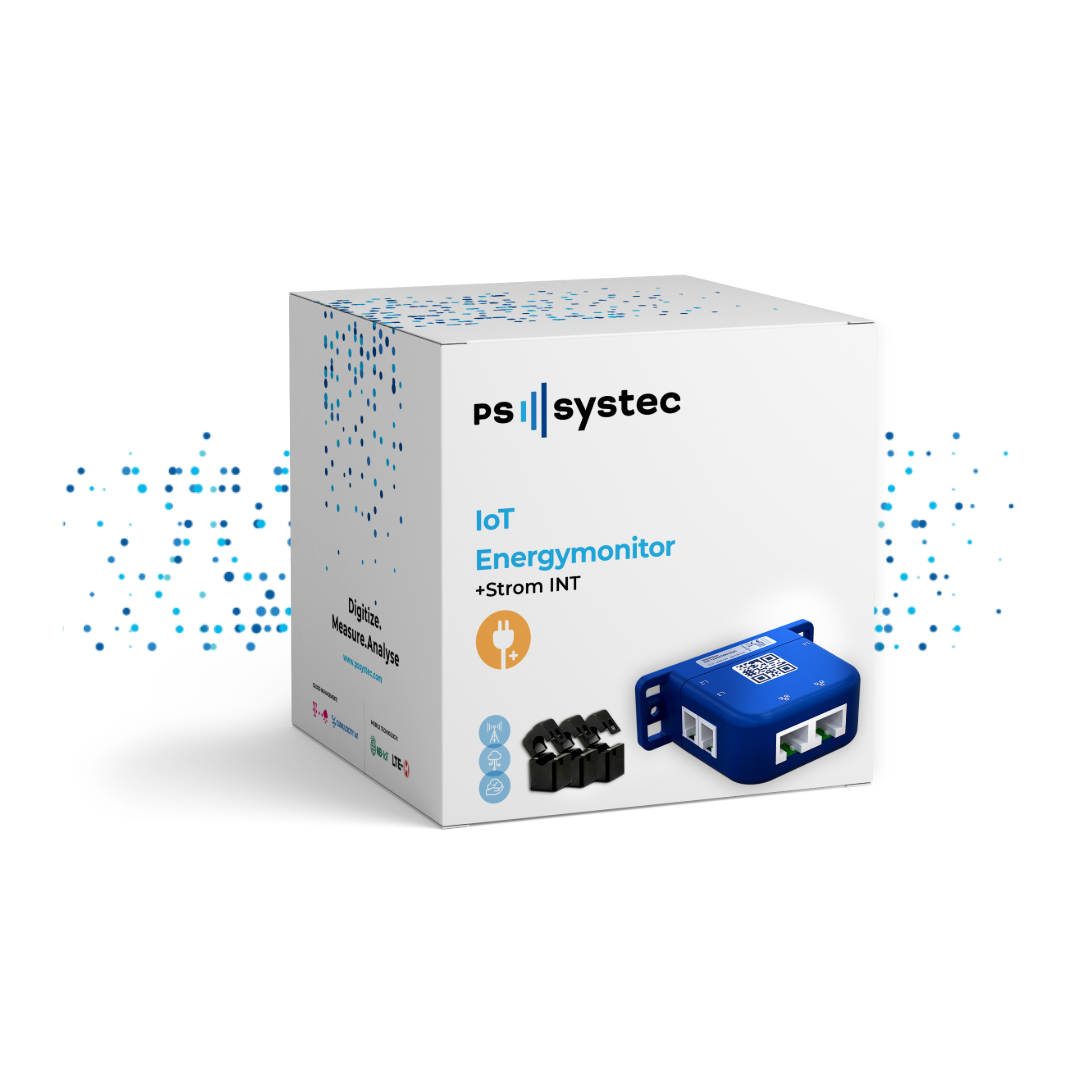
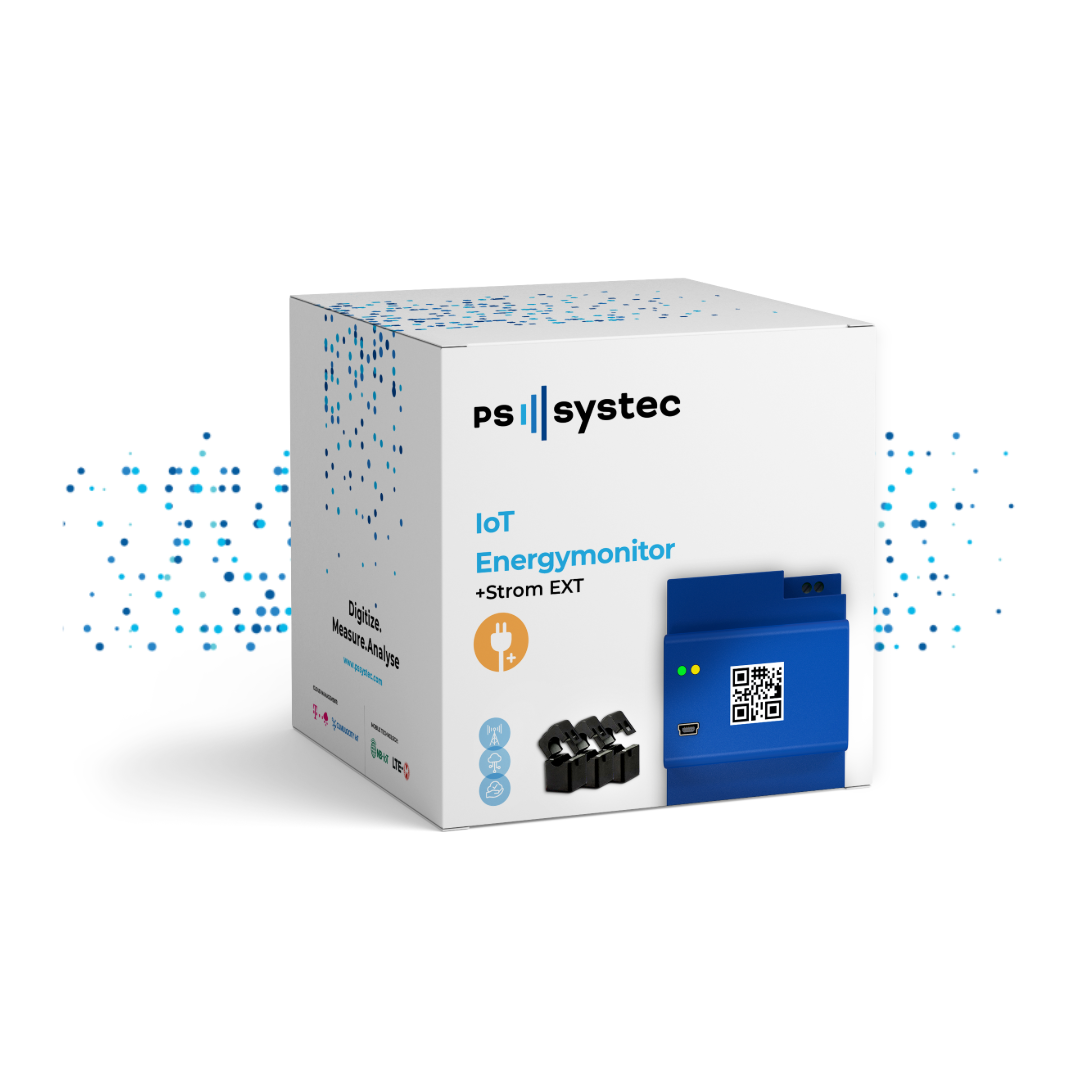
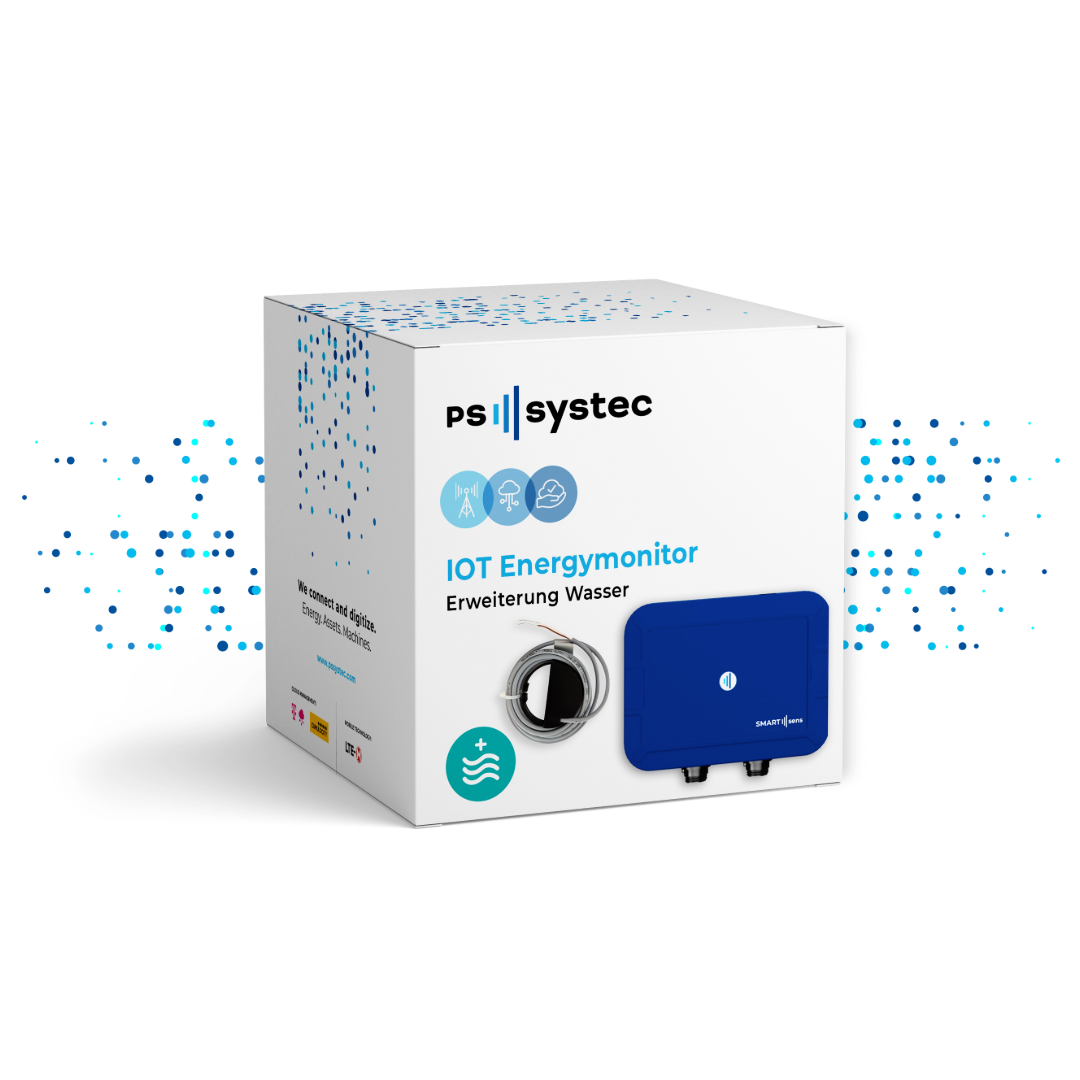
The right IoT kit
for every application
From meter integration to cloud visualisation, the PSsystec kits are ready for immediate operation, retrofit-ready and developed specifically for energy management of decentralised assets.


Understanding energy management – the most important questions
Concise answers to the most important questions about energy monitoring, submetering, ISO 50001, and standards-compliant energy data management—practical, straightforward, and jargon-free.
Are the products eligible for funding – for example, through BAFA or other programs?
Yes, the IoTEnergymonitor and the SMARTenergy gateway are explicitly eligible for BAFA funding when used in conjunction with ISO 50001-certified energy management software from the BAFA list. For companies looking to establish or certify an energy management system according to DIN EN ISO 50001, using these products can significantly contribute to the eligibility of the entire project.
Which energy data can be captured with PSsystec devices – and how is it visualized?
Depending on their configuration, PSsystec devices record energy consumption data for electricity, gas, heat, and water, as well as load profiles, power quality, temperatures, humidity, and system alarm states. This data is encrypted and transmitted to the cloud via LTE-M, NB-IoT, or LTE, where it is visualized in a web-based dashboard featuring trend analyses, load profile evaluations, and configurable reports (providing reliable data and insights for use with advanced analysis software such as CREM energy management software). This data foundation is directly suitable for energy audits, ISO 50001 certifications, and ESG and CSRD sustainability reporting.
Can electricity, gas, water, and heat meters be read remotely?
In most cases, yes. Electricity, gas, water, and heat meters with an S0 pulse output or M-Bus interface are directly compatible—both are widely used standards for modern and many older meter models. Consumption data is fed directly into the PSsystec gateway via the S0 pulse output or the M-Bus interface. If your meters do not have these interfaces, data can be read by the PSsystec device using attachable pulse sensors. For a definitive assessment, we recommend checking the manufacturer and model designation of your meter in advance and, if necessary, comparing it with the PSsystec meter-sensor compatibility list.
What to do if a meter cannot be read?
In the very rare cases where an existing meter does not have a digital interface or cannot be read via an external pulse sensor, the meter must be replaced with a model featuring a pulse output or M-Bus/Modbus interface—a process that is often straightforward and cost-effective to arrange through your energy provider. PSsystec provides expert guidance on selecting the right solution.
How can I add other energy sources (gas, water, heat) to the energy monitoring system?
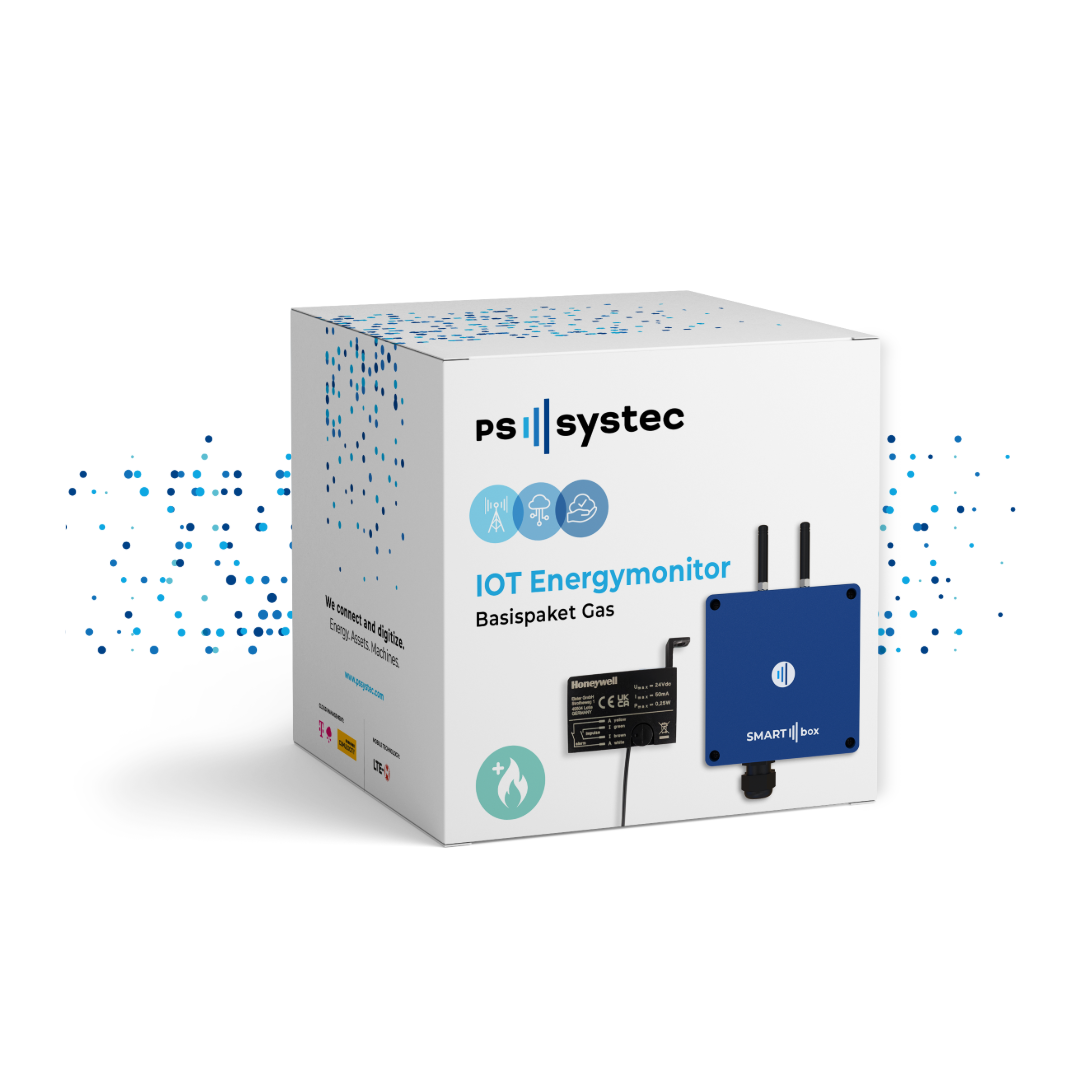
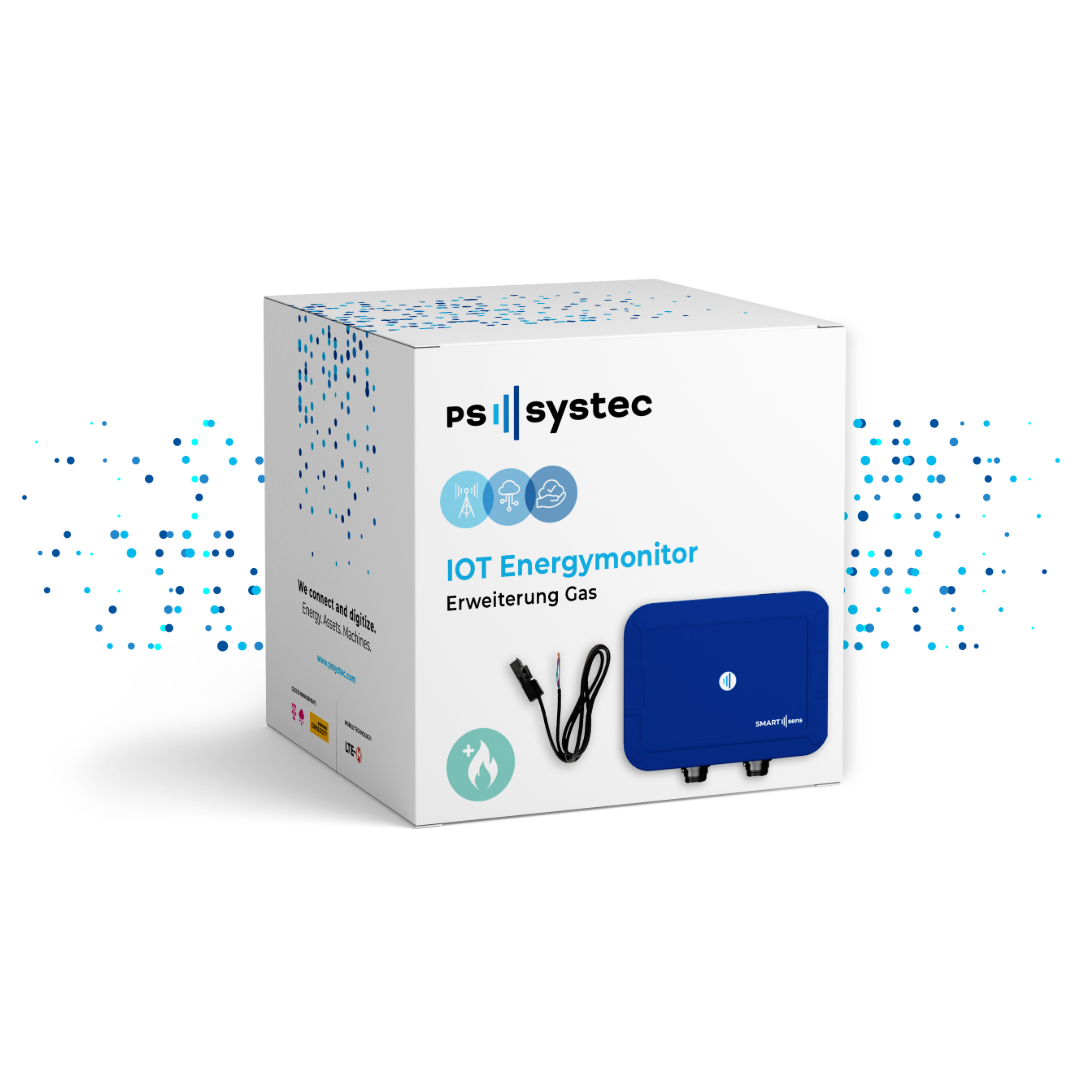
The IoTEnergymonitor features a modular design that allows for expansion at any time. Additional measuring points for gas, water, and heat can be added later without altering the existing installation. The basic packages for electricity, gas, and water are also available as standalone entry-level solutions and can be gradually upgraded to a comprehensive multi-energy monitoring system. This allows you to digitize multiple properties step-by-step—at your own pace and without needing to switch systems.

Use Case
not found?
In addition to energy management, PSsystec offers IoT solutions for remote monitoring of plants, machines and buildings — cellular-based, as a retrofit for existing systems and ready for immediate operation.
All remote monitoring solutions