Remote monitoring of Decentralised Industrial Assets
Critical infrastructure such as pump stations, compressors, emergency power generators, transformer stations and gas installations connected securely to the cloud — the PSsystec portfolio makes this possible via cellular connectivity, ready for immediate operation and reliable even with weak network coverage via NB-IoT.
Data transmission takes place over certified, encrypted communication links. As a retrofit solution for existing systems, with no intervention in existing control technology or local IT infrastructure.

50.000+
Devices in the field per year
100%
In-house development depth, service, production and development
20+
Countries where the SMARTbox is operated
Why Remote Monitoring
is Essential for Infrastructure Operators



Remote Monitoring by Industry
From Critical Infrastructure to Industrial Facilities.

Automate irrigation monitoring – use water efficiently and document irrigation times
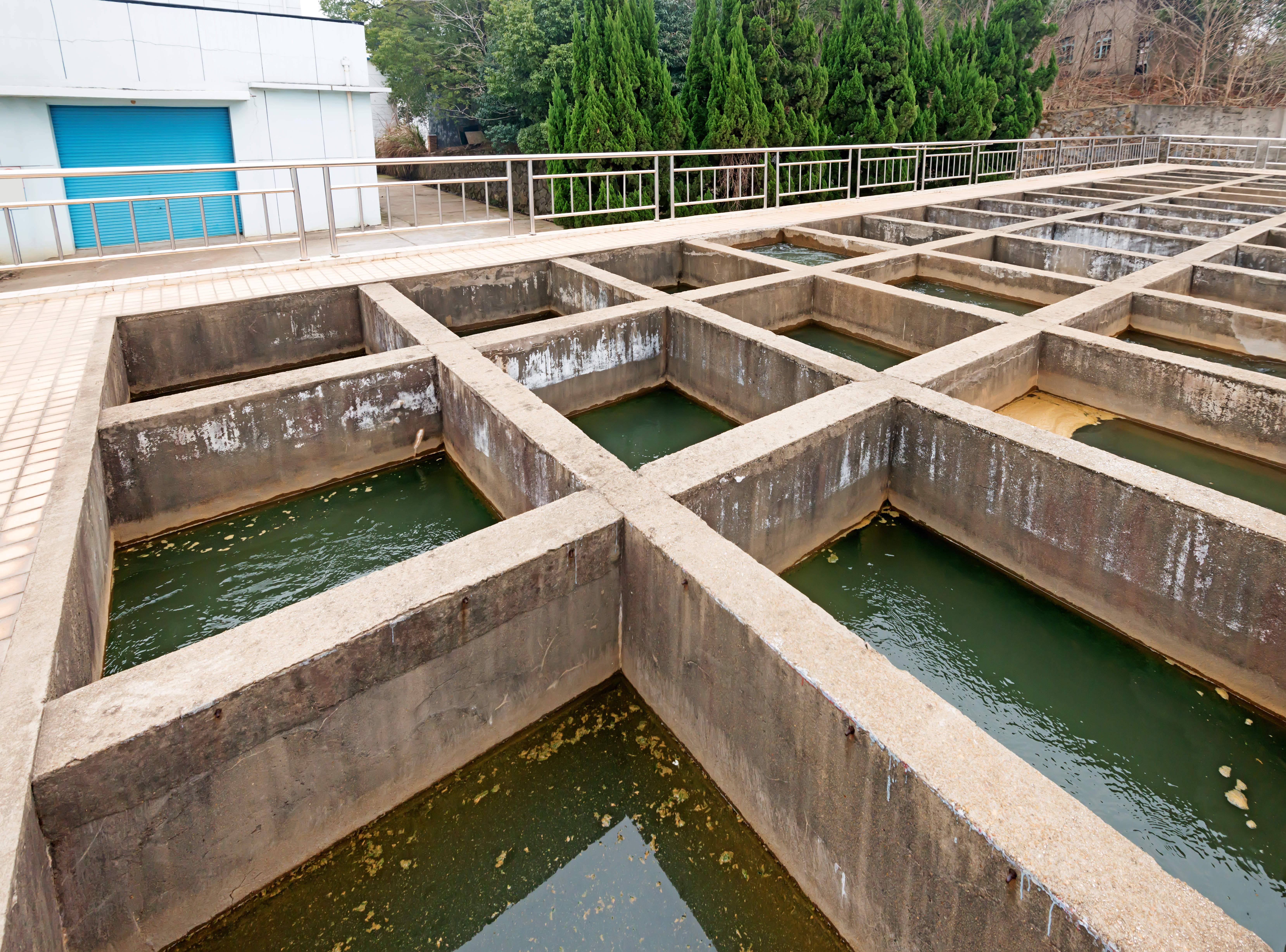
Wastewater and stormwater collection networks – detect overflows and leaks in real time and ensure compliance
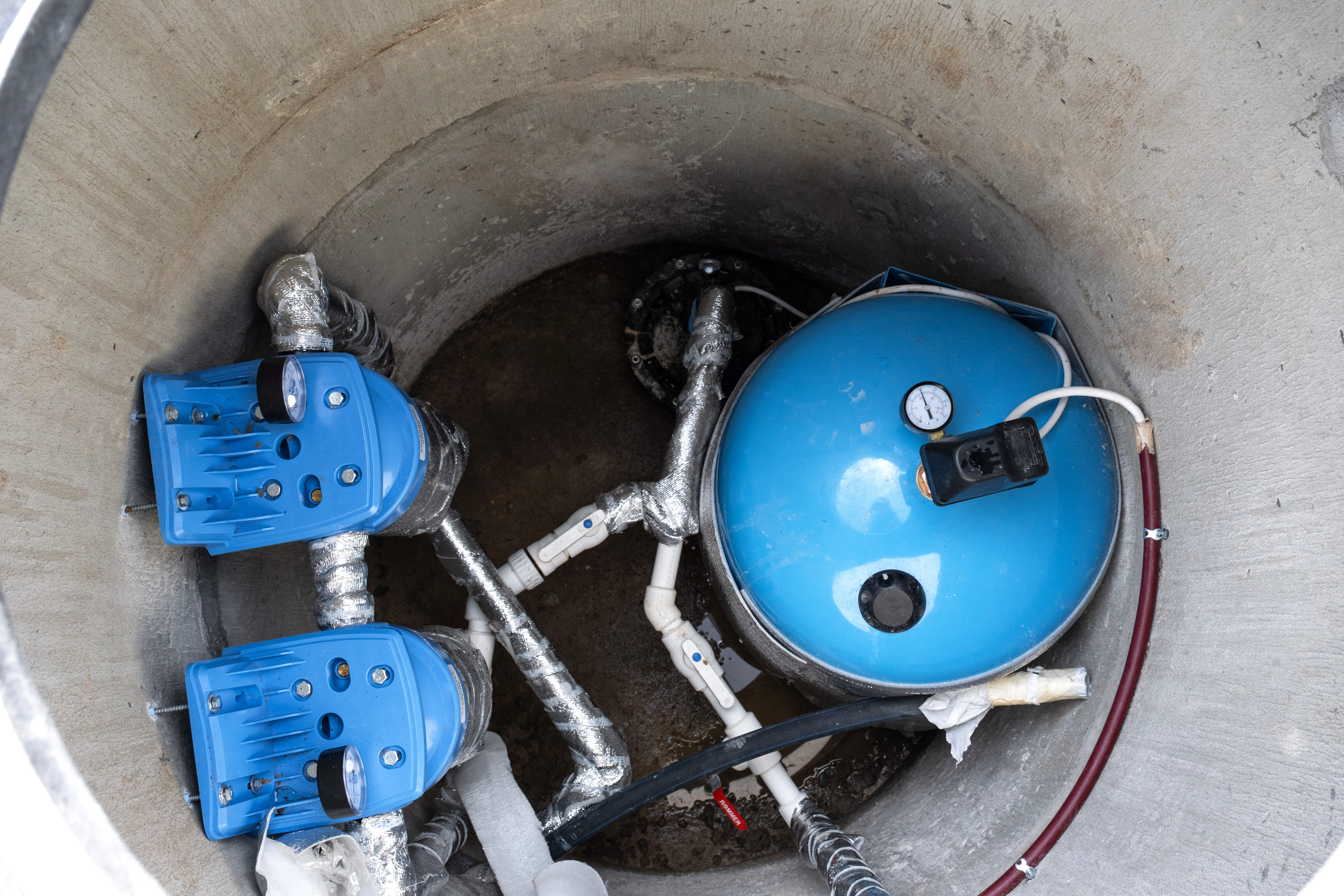
Groundwater wells and extraction systems – monitor operations and water quality remotely and protect resources
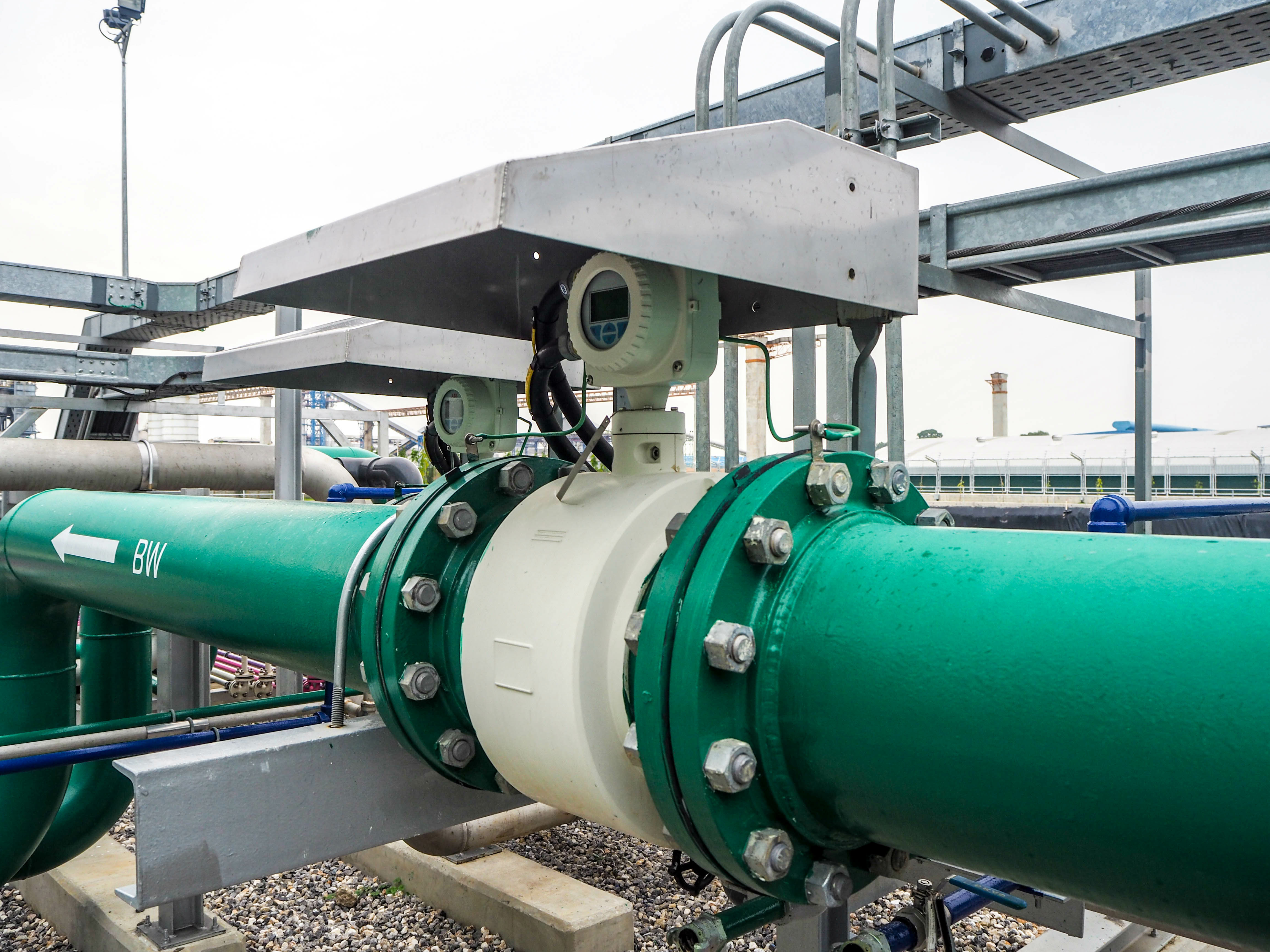
Monitor drinking water distribution networks – locate leaks, stabilize pressure, and minimize water loss
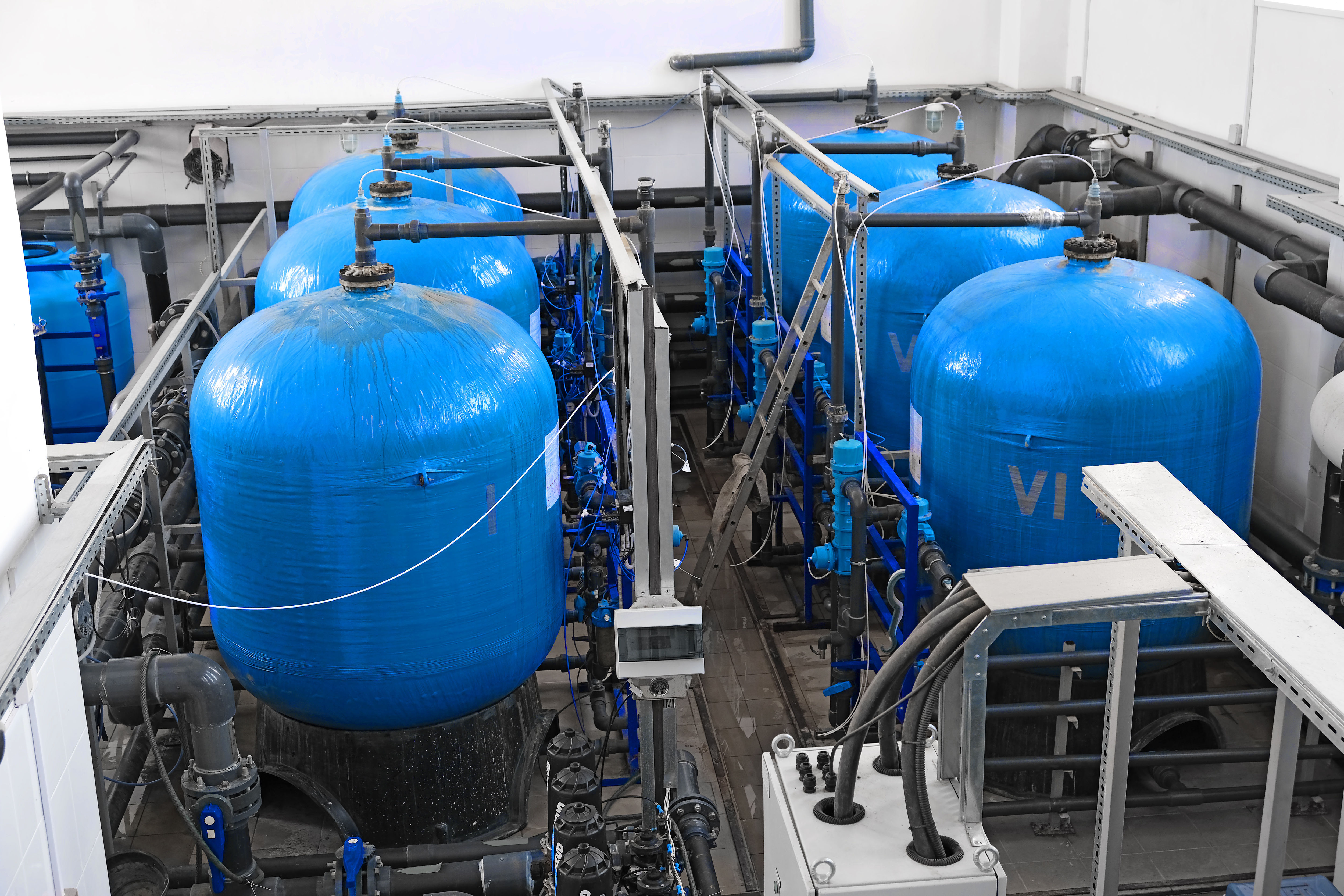
Monitor drinking water treatment plants – control operating parameters remotely and ensure water quality

Manhole monitoring—track levels, access, and temperatures in manhole systems via IoT

Infrastructure and structural monitoring – continuously record cracks, settlements, and inclinations via IoT

Monitor mobile heating units—ensure reliable construction and screed drying via remote access
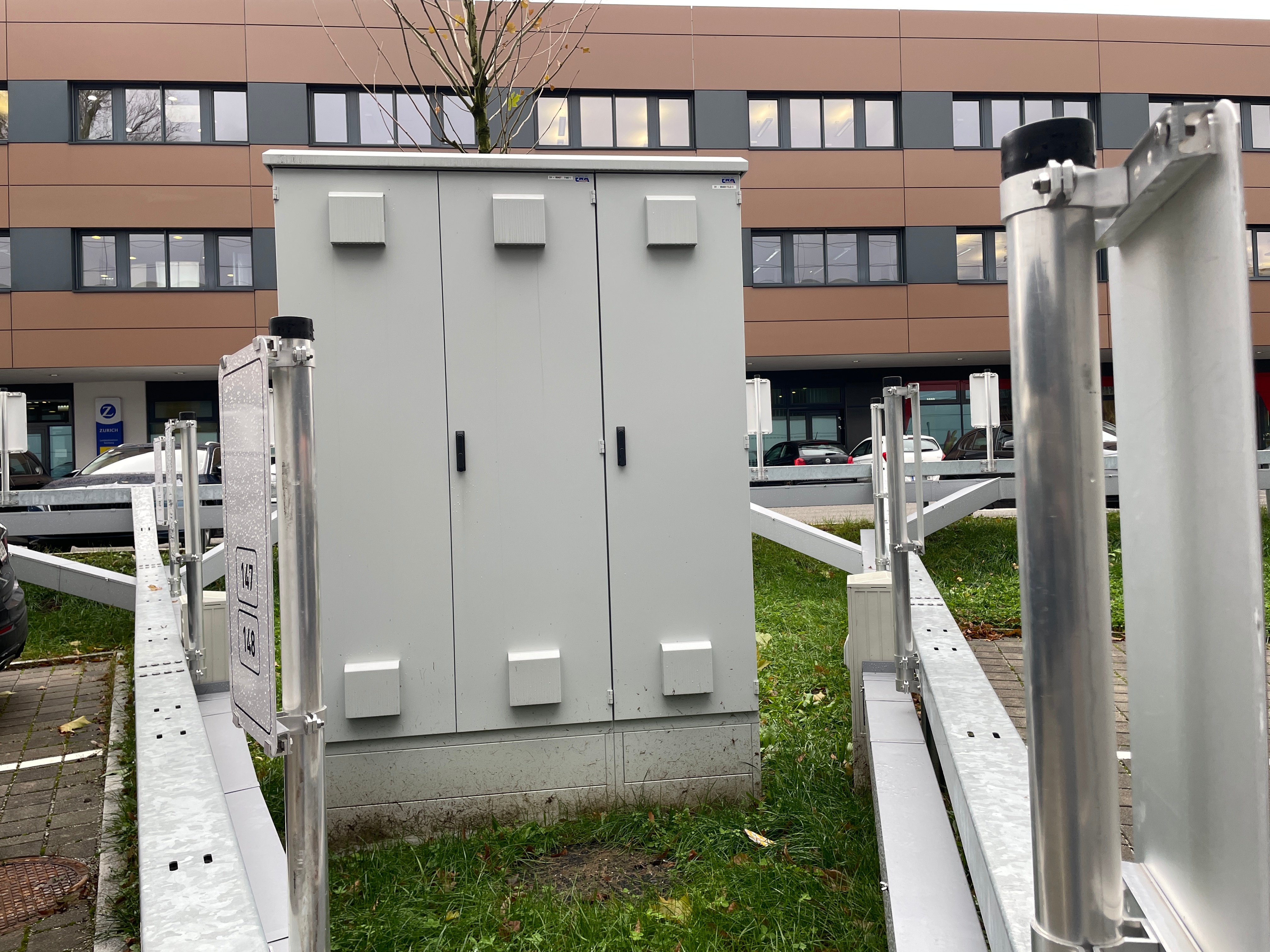
Temperature monitoring in multifunctional enclosures – detect thermal risks early and prevent failures
.jpeg)
Monitor critical IT nodes—detect power outages and IT faults immediately, don't wait to be notified
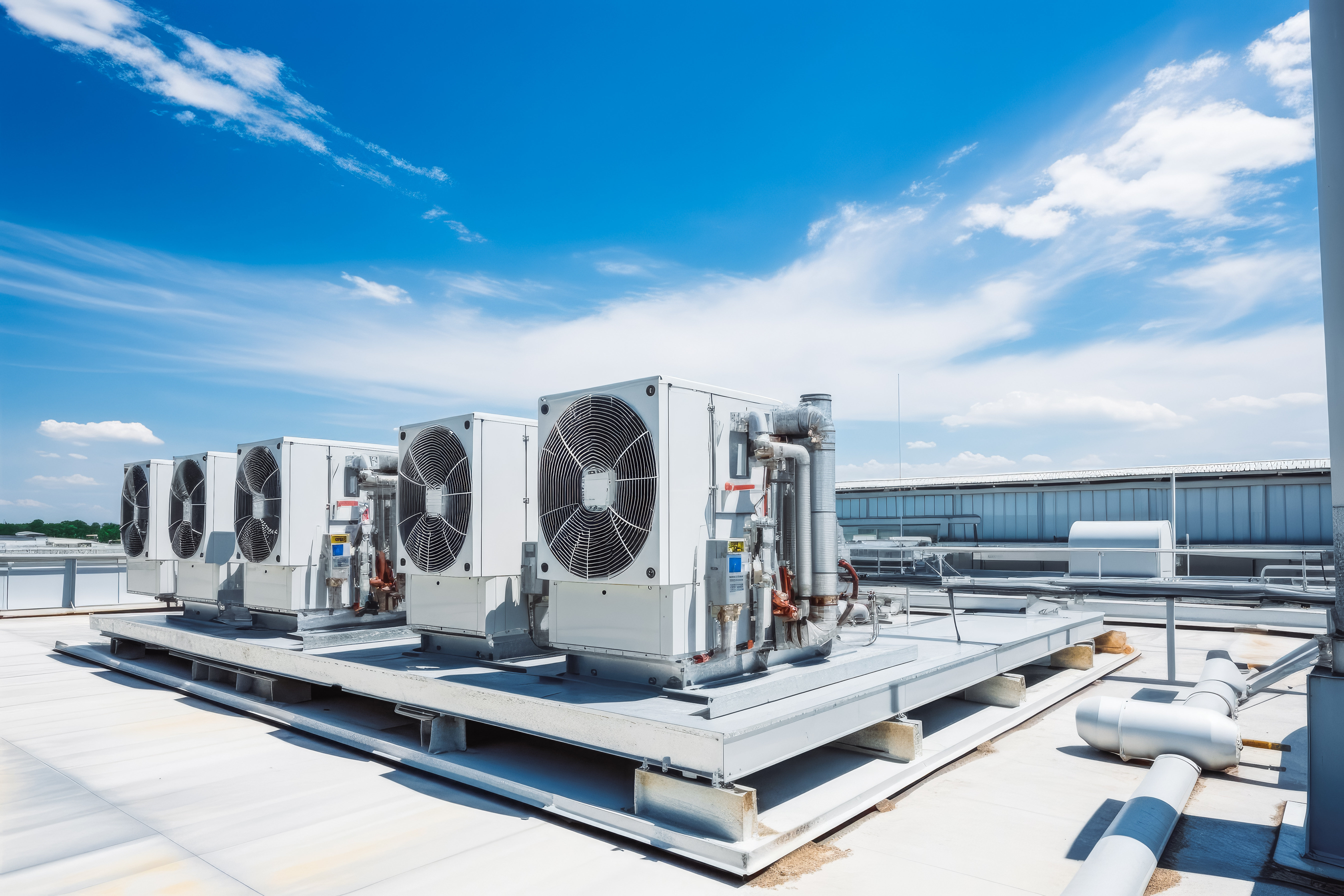
Air conditioning for technical and server rooms – monitor climate conditions remotely and prevent system shutdowns
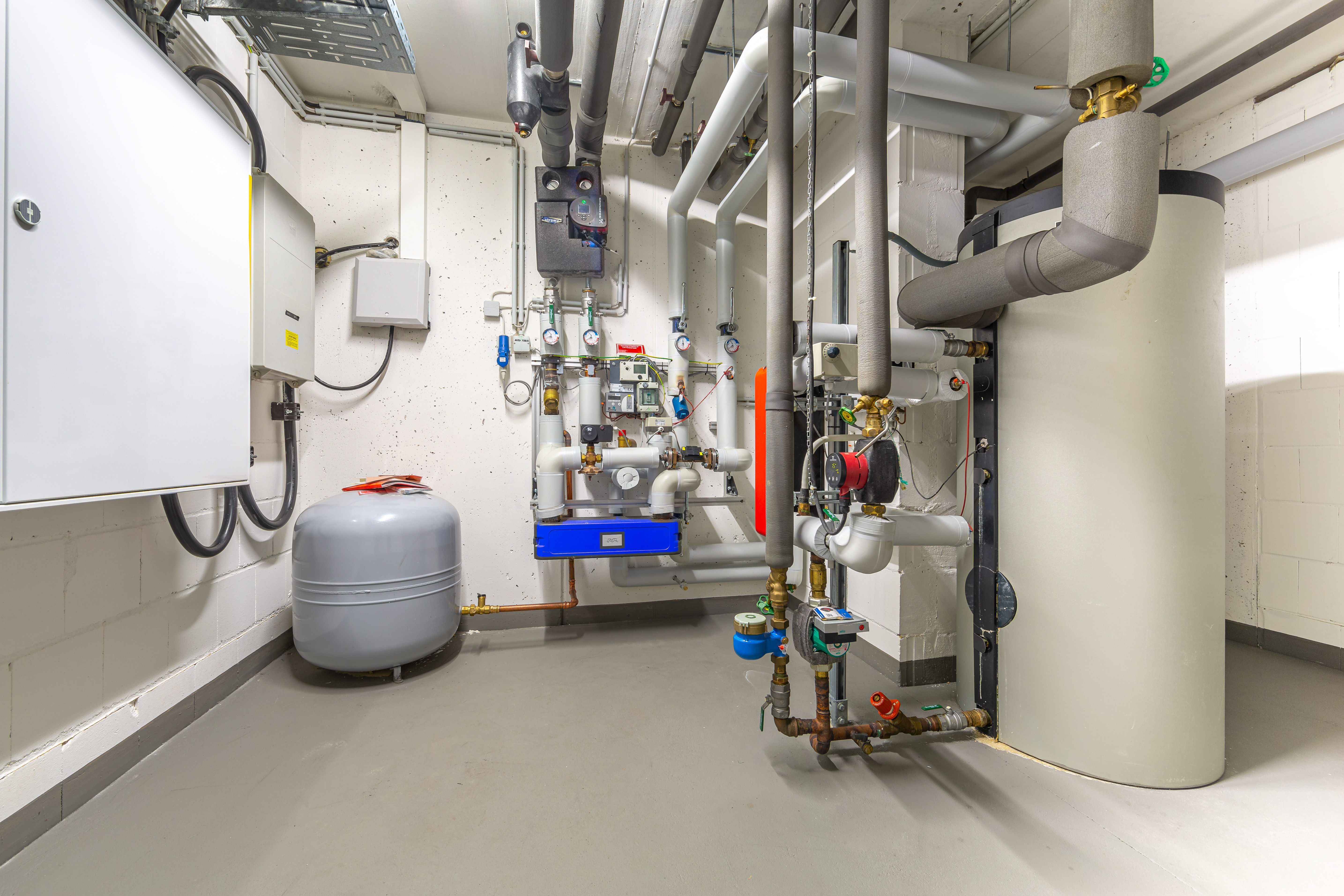
Monitor district heating systems – keep a central eye on heating plants and transfer stations

Alarm management for critical infrastructure – centrally monitor distributed sites and precisely manage troubleshooting
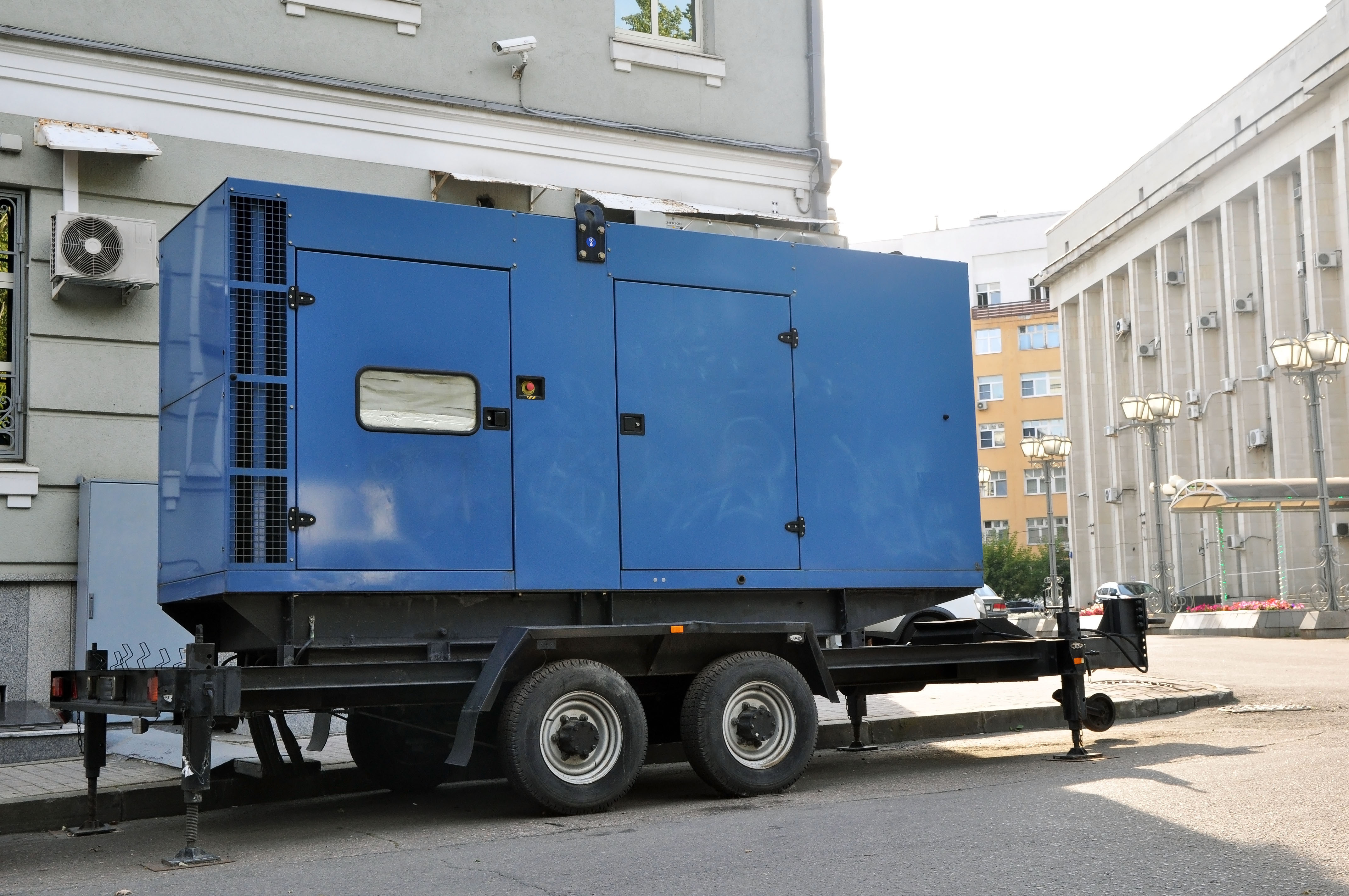
Monitor diesel emergency power generators – ensure readiness for emergencies and detect defects early
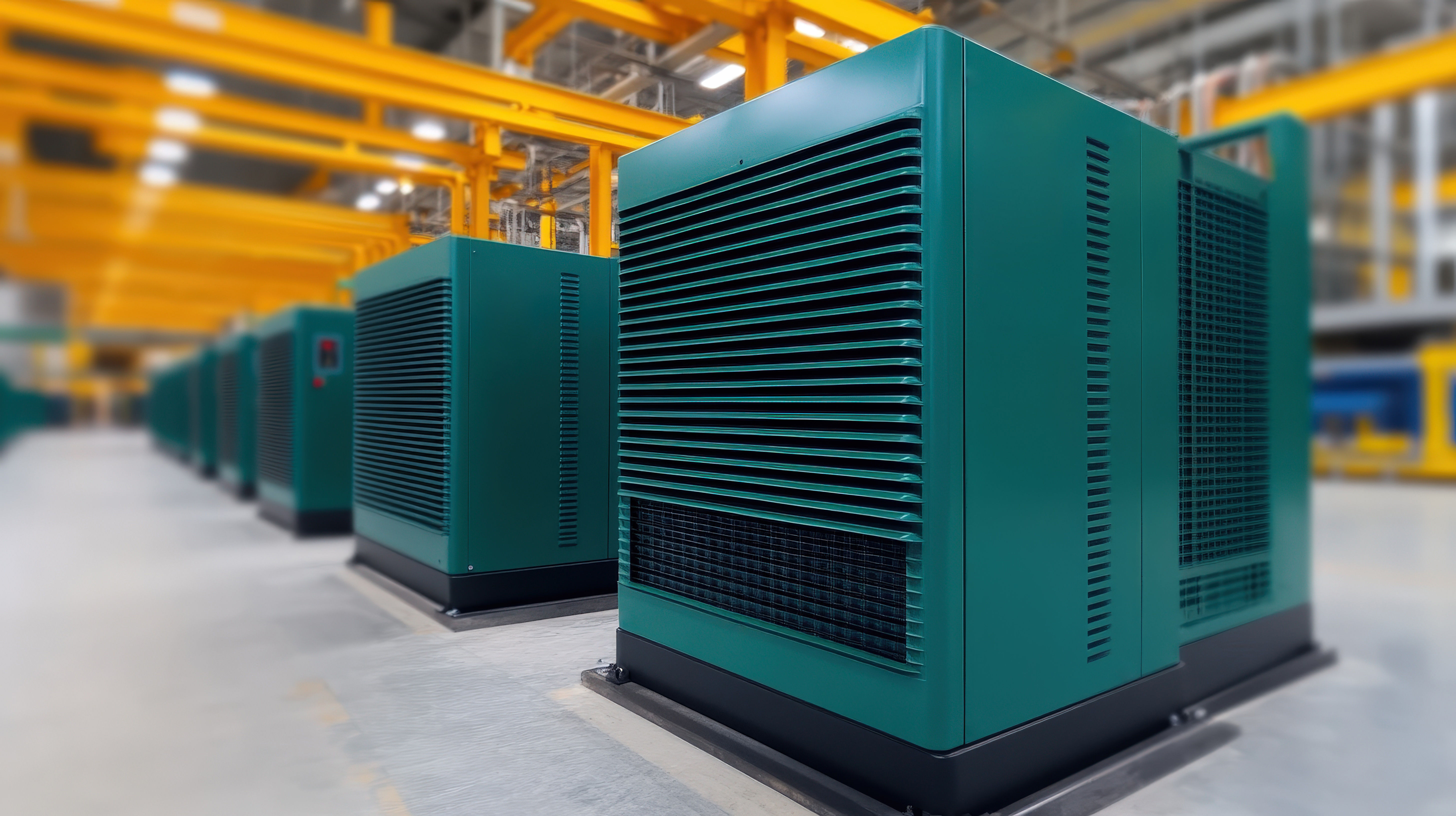
Compressed air and compressor monitoring – monitor systems remotely and avoid failures

Pressure, gas, and level monitoring – remotely monitor distributed systems and prevent downtime
Implement use case together
PSsystec supports you from the initial requirements analysis through to a fully operational remote monitoring solution—retrofit-ready, cellular-based, and ready for immediate use.
The right IoT kit
for every application
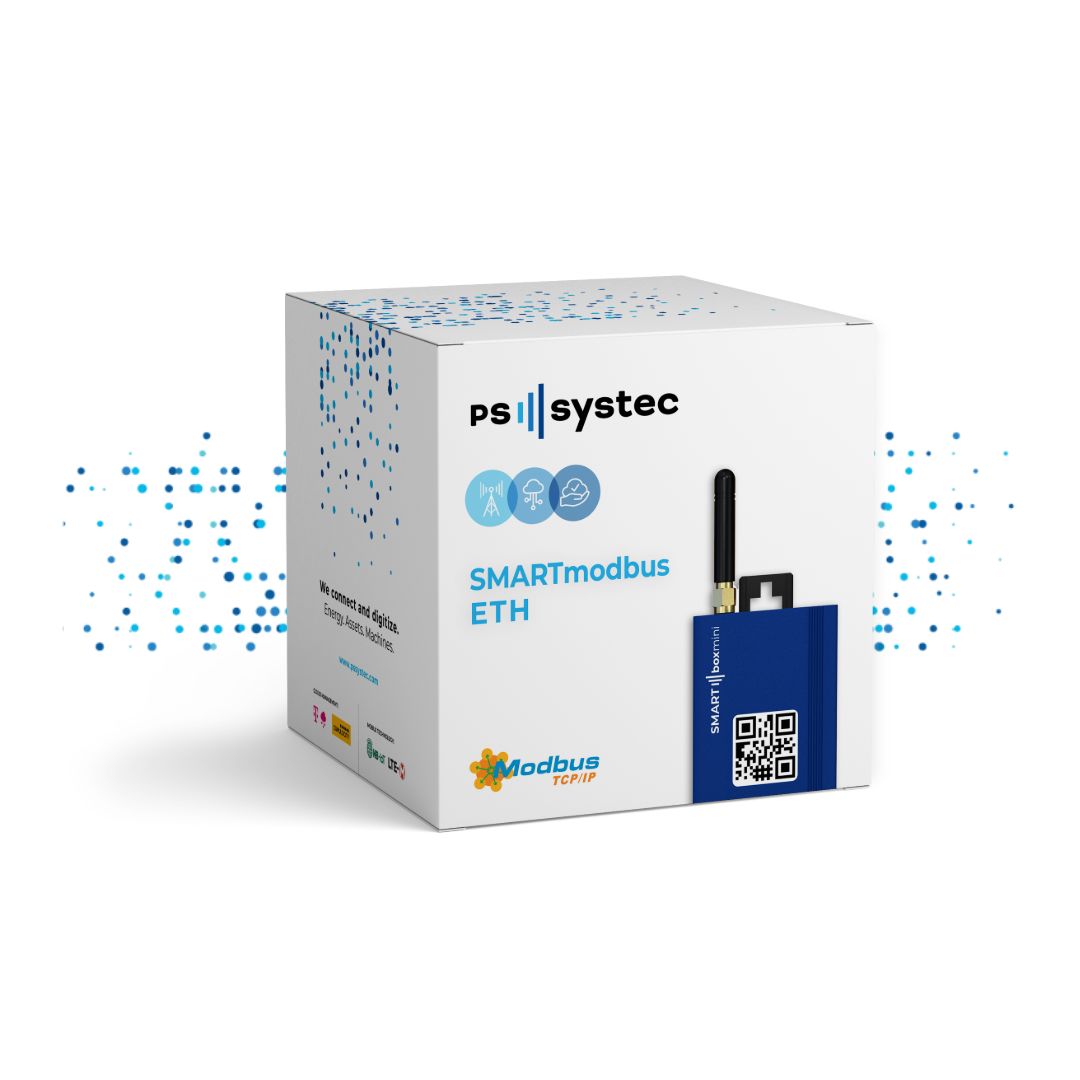
From sensor integration to cloud visualisation, the PSsystec kits enable fast commissioning — retrofit-ready and developed specifically for the remote monitoring of decentralised assets.




Understanding remote monitoring – key questions
Compact answers to the most important questions about remote monitoring, retrofit connectivity, 2G migration and cellular-based asset monitoring – practical and jargon-free.
Do I need my own IT infrastructure – such as servers, Wi-Fi, or VPN – to operate PSsystec products?
No. PSsystec solutions operate completely independently using specialized cellular protocols such as LTE-M, NB-IoT, or LTE. There is no need for on-site IT infrastructure like Wi-Fi, VPNs, local servers, or dedicated network connections. Data is transmitted directly from the gateway to the cloud via the cellular network. This makes the solution particularly well-suited for locations without IT connectivity, such as remote stations, pumping stations, or older industrial facilities.
Does PSsystec also work in buildings or areas without mobile network coverage?
In areas with limited mobile signal—such as basements, shafts, or solid industrial buildings—external antennas can be used to improve connection quality. PSsystec gateways support both LTE-M and NB-IoT (Narrowband IoT), which offers significantly better building penetration compared to LTE and was specifically developed for IoT applications in challenging reception environments. For critical installations, PSsystec recommends conducting a preliminary site survey of the mobile network coverage.
How does the setup process work, and is an IT specialist required?
PSsystec gateways are designed as plug-and-play devices that can be commissioned on-site by technically skilled personnel using the Field App—no dedicated IT specialist or local network configuration required. Depending on the service package (e.g., SMARTservice), a preconfigured SIM card for cellular connectivity and cloud access is included. Any necessary adjustments to the default configuration (e.g., for connecting specific sensors or Modbus configuration) and device management are handled remotely via the cloud platform, keeping on-site service visits to an absolute minimum.
How long does the installation take, and is a shutdown required?
PSsystec products are designed as non-invasive retrofit solutions. Installation generally does not interfere with existing plant technology and requires no operational downtime. Depending on the use case—such as attaching split-core current transformers to power lines or temperature sensors to pipelines—commissioning is typically completed within a few minutes. This makes the products ideal for active production environments with high availability requirements.
Is the system also suitable for use in critical infrastructure (KRITIS)?
PSsystec-Lösungen werden u. a. in der Wasser- und Energieversorgung eingesetzt – Bereichen, die unter die KRITIS-Regulierung fallen. Die Systeme übertragen Daten verschlüsselt(TLS) über ein zertifiziertes Mobilfunknetz, verarbeiten Daten auf europäischen Servern (DSGVO-konform) und greifen nicht auf das interne OT/IT-Netzwerk des Betreibers zu.
How are alerts triggered in the event of a malfunction, and can notifications be sent via email or SMS?
Limit violations or system failures are detected in real time and forwarded via configurable alarm channels. Alarms can be sent to any number of recipients via email and SMS, with fully customizable thresholds and escalation levels. In addition to email and SMS, alarms can also be forwarded to higher-level systems (CAFM, BMS, SCADA) via API interfaces.
Is the solution suitable for multiple locations?
Yes, multi-site operations and decentralized properties are a core feature of the PSsystec solution. All gateways and measuring points are managed centrally in a cloud platform, regardless of whether you have two sites or two thousand. Cross-site comparisons, alarm overviews, and analyses are available directly in the dashboard. This makes PSsystec particularly attractive for real estate companies, municipalities, and industrial enterprises with distributed property portfolios.

Use Case
not found?
In addition to remote monitoring, PSsystec offers IoT solutions for the capture and analysis of energy consumption, load profiles and utility data — compliant with ISO 50001 and compatible with existing energy data management systems.